

Water 4 Mercy is Growing Impact Instead of a Brand
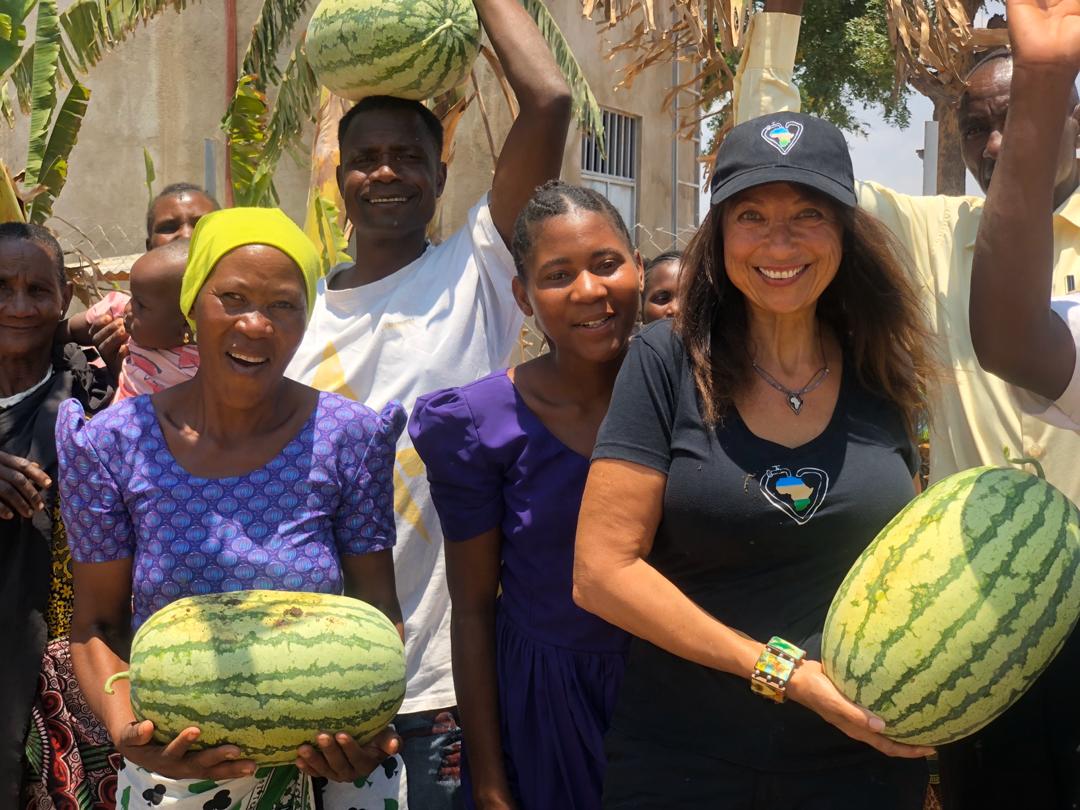 Lists of “fastest growing companies” usually belong to startups chasing valuation and market share. Water 4 Mercy is an unlikely fit. It is nonprofit. Still, in 2026 it is featured among the 10 Fastest Growing Companies of the Year, which may seem like an odd fit on paper, but is actually a revealing one in practice. The organization is expanding because communities keep asking for clean water that stays on, farms that produce after the cameras leave, and skills that stay in local hands. Nermine Khouzam Rubin, Water 4 Mercy’s founder and CEO, is looking for more partners who want to build self-sustaining projects across the continent, not more plaques on a wall.
Her idea of leadership is all about service, dignity, and the stubborn belief that people should be able to shape their own futures. Water 4 Mercy works to end thirst, hunger, and poverty in Africa by combining solar-powered water systems, modern agriculture, education, and community ownership. The work is practical. The motive is personal.
Nermine was born in Port Said, Egypt, and later immigrated to the United States. The opportunities she found there did not just shape a career in healthcare planning, business development, and consulting. They left her with a sense of obligation. That sense became impossible to ignore in Tanzania in 2017. She saw families spend whole days hunting for water that was often unsafe. Women walked for hours with heavy containers. Time that might have gone to children, small businesses, or village life disappeared into the walk. Children missed school because they were needed at the well or the dry riverbed. What struck her was not a lack of talent or will. It was a lack of opportunity. She could not go home and pretend she had not seen it.
That trip became the seed of Water 4 Mercy, founded in 2018. The aim from the start was to step past short-term relief. Temporary water drops and one-season seed packets can ease life for a week, but hardly can ever change a village for the long term. The organization built a fuller model of solar pumps and tap stands, drip irrigation, training, remote monitoring, and local committees that own the systems.
To date, Water 4 Mercy has improved the lives of more than 108,600 people across Africa, bringing clean water and nutritious food to 39 communities. It has also provided agricultural technology and training to more than 12,800 farmers and 450 students through its Agricultural Innovation and Technology Center, (AITeC).
While companies use numbers to measure, Nermine never treats the measurement as the whole story. Success, for her, is what a village looks like years later. She has gone back to places where solar systems and drip farms were installed and found a different daily rhythm. Women and children who once spent hours chasing contaminated water now collect it from taps. Children can sit in class. Fields that once were dry and idle now grow food through the year. Farmers who were trained now independently manage the systems, feed their families, and sell surplus.
The point for Nermine and the Water 4 Mercy team is not that an American nonprofit arrived but that the work no longer depends on one.
Early Water 4 Mercy projects showed how quickly good technology fails without enough training, local maintenance, or agricultural know-how. So they tightened its approach. It invested more in local training. It added real-time remote monitoring so problems can be spotted before a pump sits silent for months. It deepened partnerships so communities were not spectators. Technology, in this model, only matters when it is paired with education, accountability, and people who live next to the well.
That is the shape of AITeC and of partnerships with Water 4 Mercy Partners like Don Bosco Technical Institutes. Farmers, teachers, and young people learn methods they can keep using. Knowledge is supposed to stay on the ground.
One recent example is Nyaboke Naom Nyamasenge, known as Nya. She graduated from AITeC Farm in February 2026 after earning a Bachelor of Science in Horticulture from Jomo Kenyatta University of Agriculture and Technology. She now works as an agronomist with the Sisters of Mount Carmel, managing a farm and supporting the local team. Her path is the argument in human form: train people well enough that they become the experts, not the beneficiaries forever.
Nermine’s values sit close to that outcome. Dignity is a commitment, not a slogan. Accountability and transparency are how trust is built with donors and with villages. She talks about servant leadership. Collaboration with local partners, innovators, faith communities, and African technical institutes keeps solutions real and avoid the trap of other nonprofits fall into by becoming imported theater. The sharpest test she applies is independence. If a community still needs Water 4 Mercy years later, she does not count that as the highest form of success.
Water 4 Mercy sees room to grow across Africa in agriculture, renewable energy, water management, and local enterprise. Young people trained in agronomy, solar energy systems, and water operations can become the problem-solvers of the next decade.
Companies and civic leaders can help by funding infrastructure that communities can run, supporting local ownership, and opening value chains so farmers can sell what they grow. Rubin pushes against the habit of treating Africa as a place to “help.” While partnership is slower and less flattering, it is also the only approach that lasts.
That same posture shows up with her team and at home. She motivates people by staying close to results and by celebrating water committees and women who become trainers. Her husband, children, and parents have backed a mission that asked a great deal of family life. Prayer, family, and a regular return to purpose are how she keeps the work from becoming performance.
Looking forward, she wants the proven model in more communities and more countries without losing community leadership or financial transparency. The ambition is almost the opposite of empire-building. She would rather make Water 4 Mercy unnecessary in the places it serves because those places can stand, farm, maintain their systems, and eventually help their neighbors.
That is why a “fastest growing companies” mention sits strangely well. Water 4 Mercy is not a company. It is growing because demand for durable, locally owned projects is growing, and because the organization is looking for more chances to plant that model across Africa. Recognition is not the point. Responsibility is. Leadership, as Nermine frames it, is not about being seen. It is about stepping forward when you can make a lasting difference, and then getting out of the way once a community can carry the work itself.


