

The Oil Route Under Fire: Why the Hormuz Crisis Matters to Every Country
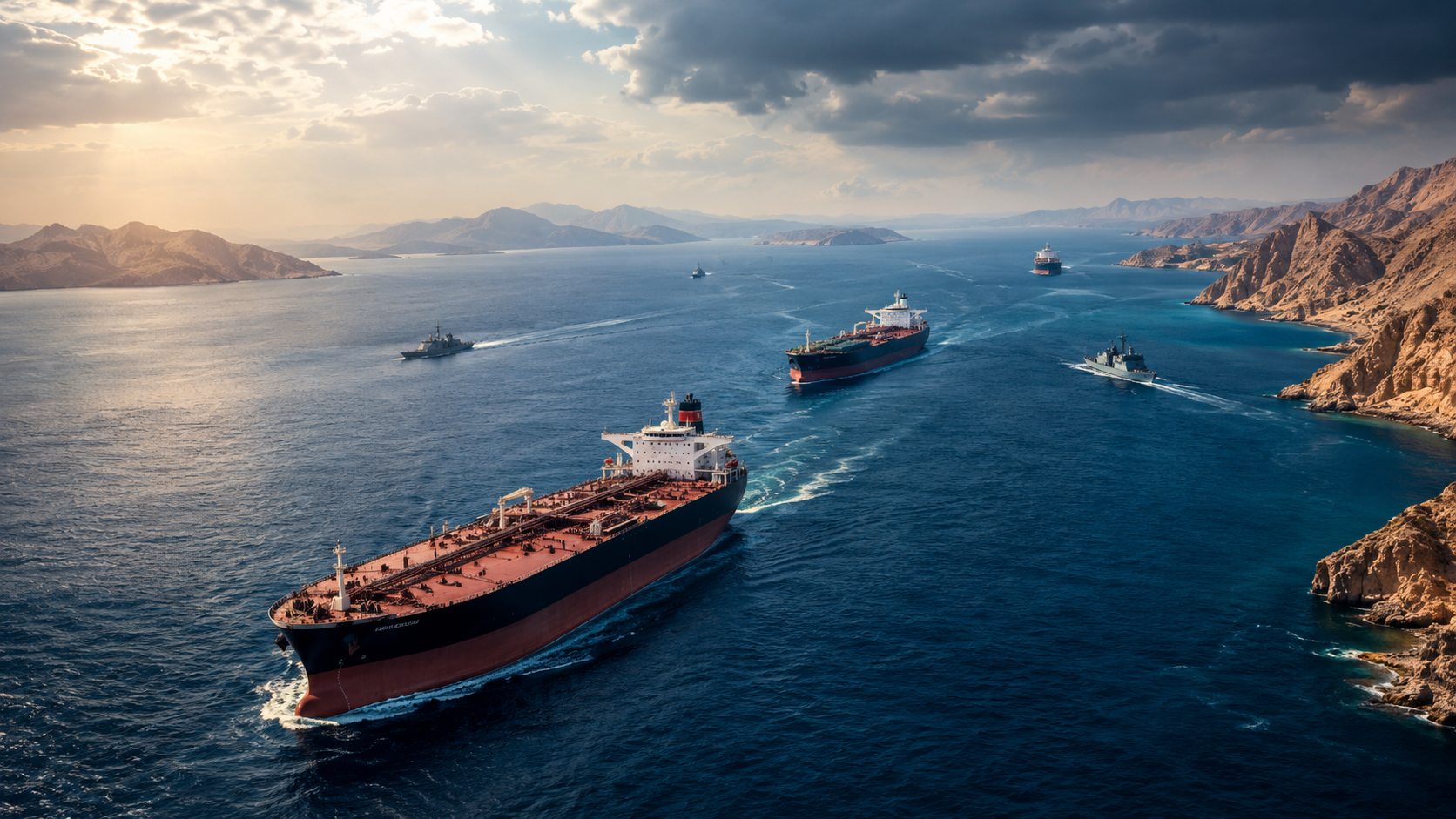 The Strait of Hormuz is facing renewed shipping disruption after tanker attacks, raising concerns over oil supplies, transport costs and the safety of seafarers. The consequences could extend far beyond the Middle East.
The Strait of Hormuz has once again become a critical pressure point for the global economy. Tanker attacks and a sharp slowdown in vessel movements are raising concerns about the security of one of the world’s most important energy shipping routes, with potential consequences for oil prices, international trade and countries that depend on imported fuel.
The latest developments come as diplomatic efforts to ease the wider Middle East conflict remain stalled. For governments, energy companies and shipping operators, the immediate challenge is no longer simply moving oil at the right price. It is ensuring that ships and crews can make the journey safely.
Shipping through Hormuz slows sharply
According to ship-tracking data reported on October 12, five commodity vessels transited the Strait of Hormuz on Saturday, while no crossings were recorded on Sunday. That compares with 31 vessels during the previous weekend, highlighting the scale of the recent slowdown. The figures describe a sharp disruption in traffic, rather than proof that the waterway has been formally closed.
The concern is significant because the strait connects major Gulf energy producers with international markets. A prolonged disruption could complicate deliveries of crude oil, petroleum products and liquefied natural gas, while forcing shipping companies to reassess routes, schedules and security risks.
Recent attacks on commercial vessels have added to those concerns. India’s Ministry of External Affairs condemned attacks in the region on October 11. One vessel, MT Petro Dolphin, was reportedly struck by a drone, with two of its 11 Indian seafarers reported missing. A second tanker, MT Valthera, was struck by an unknown projectile and caught fire; Indian crew members aboard that vessel were reported safe. Search and rescue efforts and coordination with Omani authorities were under way, according to Indian officials.
Why oil prices could remain under pressure
Oil markets respond not only to actual shortages but also to the risk that supplies may be delayed or interrupted. When tanker movements become uncertain, traders may price in a higher risk premium, while shipowners and energy companies face rising insurance, security and freight expenses.
Those costs can ripple through the economy. Higher transportation expenses may put pressure on fuel prices, airline operations, manufacturing, logistics and the cost of moving goods. If disruption persists, businesses may find it harder to plan purchases and deliveries, even when oil remains available elsewhere.
Reuters reported on October 12 that Brent crude futures rose to around $105.48 a barrel during Monday trading as regional conflict escalated and tanker attacks raised fresh concerns over supply. Oil prices fluctuate throughout the day, so this figure should be understood as a reported market snapshot, not a guaranteed current price.
Why India is watching closely
For India, the crisis carries both economic and human consequences. The country relies heavily on imported energy, making it sensitive to sustained increases in crude prices and the costs of transporting fuel. A prolonged disruption could add pressure to the import bill and complicate planning for fuel suppliers and businesses.
Indian seafarers are also directly affected. The reports of missing crew members underline that the crisis is not just about oil shipments and financial markets: it involves workers facing serious risks while keeping international trade moving.
India has called for de-escalation and the safe, uninterrupted movement of commercial shipping. Protecting crews and restoring confidence in maritime transport will be essential to reducing the risk of a wider economic shock.
What happens next?
The outlook will depend on whether attacks continue, whether shipping traffic recovers and whether diplomatic efforts can reduce the risk to vessels. Energy markets will also watch for changes in oil production, alternative transport arrangements, insurance costs and official responses from countries in the region.
A sustained slowdown would create greater uncertainty for oil-importing economies and businesses that depend on reliable deliveries. A recovery in safe vessel movements could ease some pressure, although prices would still be influenced by the broader conflict and other supply factors.
For now, the key warning is clear: a disruption at a narrow maritime passage can have consequences across the global economy. The Strait of Hormuz is more than a regional shipping lane. It is a vital link between energy producers and the rest of the world—and every prolonged interruption increases the stakes for governments, businesses and ordinary consumers.


