

21 LNG Ships Crossed Hormuz — Is the World’s Energy Chokepoint Opening Up?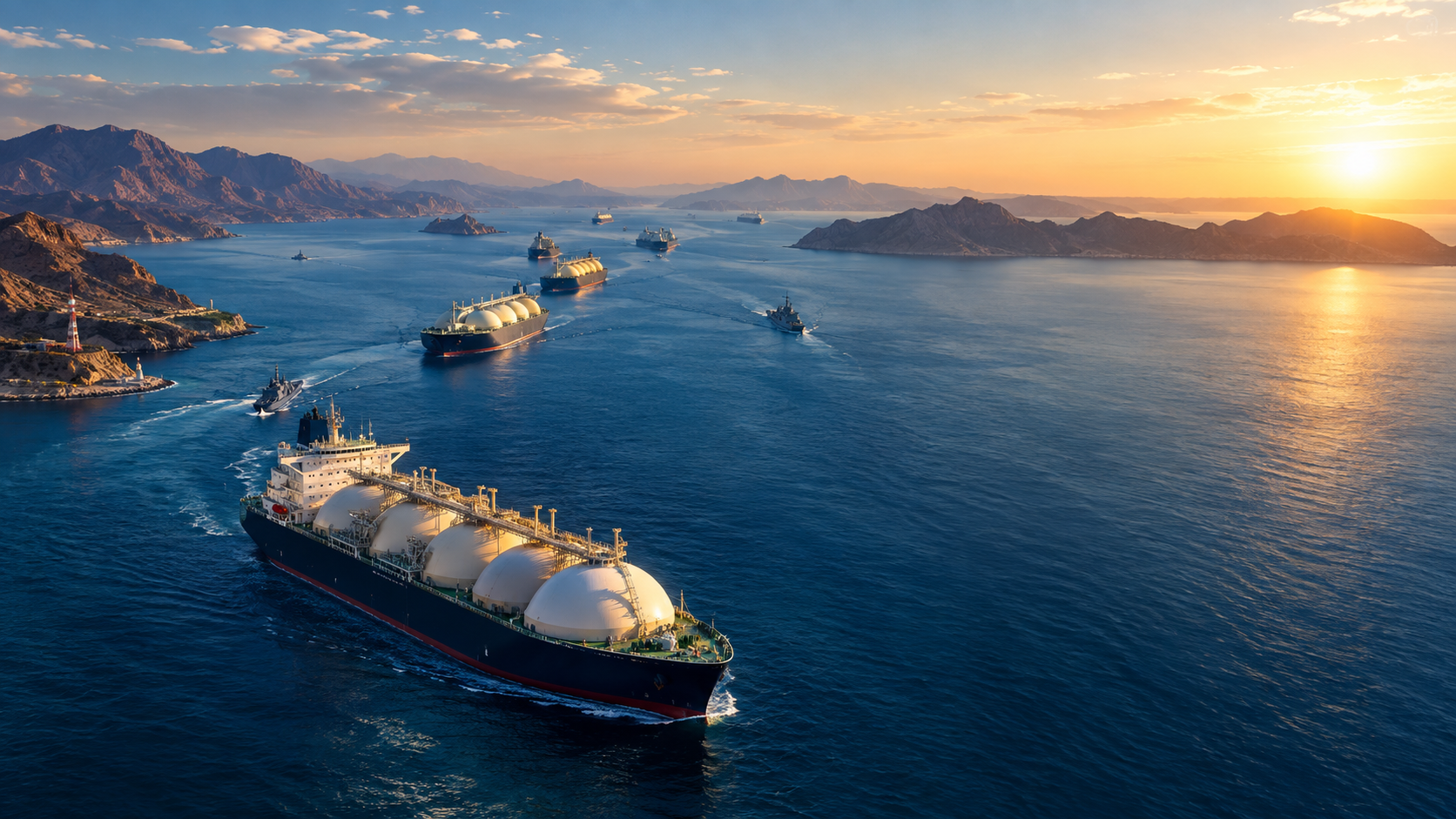 The Strait of Hormuz is showing signs of renewed energy traffic, but the latest shipping data suggests that the global energy crisis surrounding the strategic waterway is far from over.
In September, the number of liquefied natural gas (LNG) cargoes exiting the Strait of Hormuz reached its highest monthly level since the conflict involving the United States, Israel and Iran began in February, according to shipping-data companies cited by Reuters.
S&P Global Energy counted 19 LNG cargoes passing through the waterway during September, including 13 from Qatar and six from the United Arab Emirates. Maritime analytics company Kpler recorded a slightly higher total of 21 cargoes. Both figures were above the 15 cargoes recorded by Kpler in June.
The increase is significant because the Strait of Hormuz is one of the world’s most important energy chokepoints. Before the conflict, the waterway carried roughly a fifth of global crude oil and LNG supplies. Disruptions there can therefore affect energy prices, shipping costs, industrial production and the cost of fuel and electricity far beyond the Middle East.
Recent vessel movements also indicate that some Qatar-linked LNG ships are once again making the journey through the strait. Reuters reported that vessels including Al Kharaitiyat, Al Gharrafa and Milaha Qatar were tracked inside the waterway before later appearing west of India. Milaha Qatar was reported to be offloading its cargo at India’s Hazira port.
But increased traffic does not necessarily mean that Hormuz has returned to normal.
Some ships have reportedly conducted so-called “dark transits,” switching off their Automatic Identification System, or AIS, transponders while passing through the waterway. That makes individual movements more difficult to track and means publicly visible shipping data may not capture every vessel.
Security and cost remain major concerns. Reuters reports that some shipping movements have required U.S. naval escorts, adding expense and operational complexity. Analysts are also watching whether the higher level of LNG traffic can continue into the winter months, when energy demand traditionally increases.
The broader LNG market is already adjusting to the disruption. QatarEnergy recently extended force majeure notices affecting deliveries to several European and Asian customers, while European buyers have increasingly looked toward alternative suppliers. At the same time, U.S. LNG exports rose in September as European demand remained strong.
That makes the renewed Hormuz traffic important for businesses around the world. More LNG cargoes moving through the waterway could help restore some supply, but the recovery remains dependent on security conditions, shipping costs and the ability of vessels to continue operating safely.
For energy-importing economies such as India, China and countries across Europe, the issue goes beyond individual ships. LNG availability influences electricity generation, industrial operations and energy costs, while disruptions can increase competition for alternative cargoes.
The September numbers therefore represent an important development — but not necessarily a return to normal.
For now, the Strait of Hormuz is moving more energy than it was earlier in the conflict. The bigger question is whether that movement can continue through the months ahead.
Hormuz may be moving again. The global energy market is still watching every ship.

