

Who Is Katie Zacharia? Trump’s New Press Secretary Faces Scrutiny After First Briefing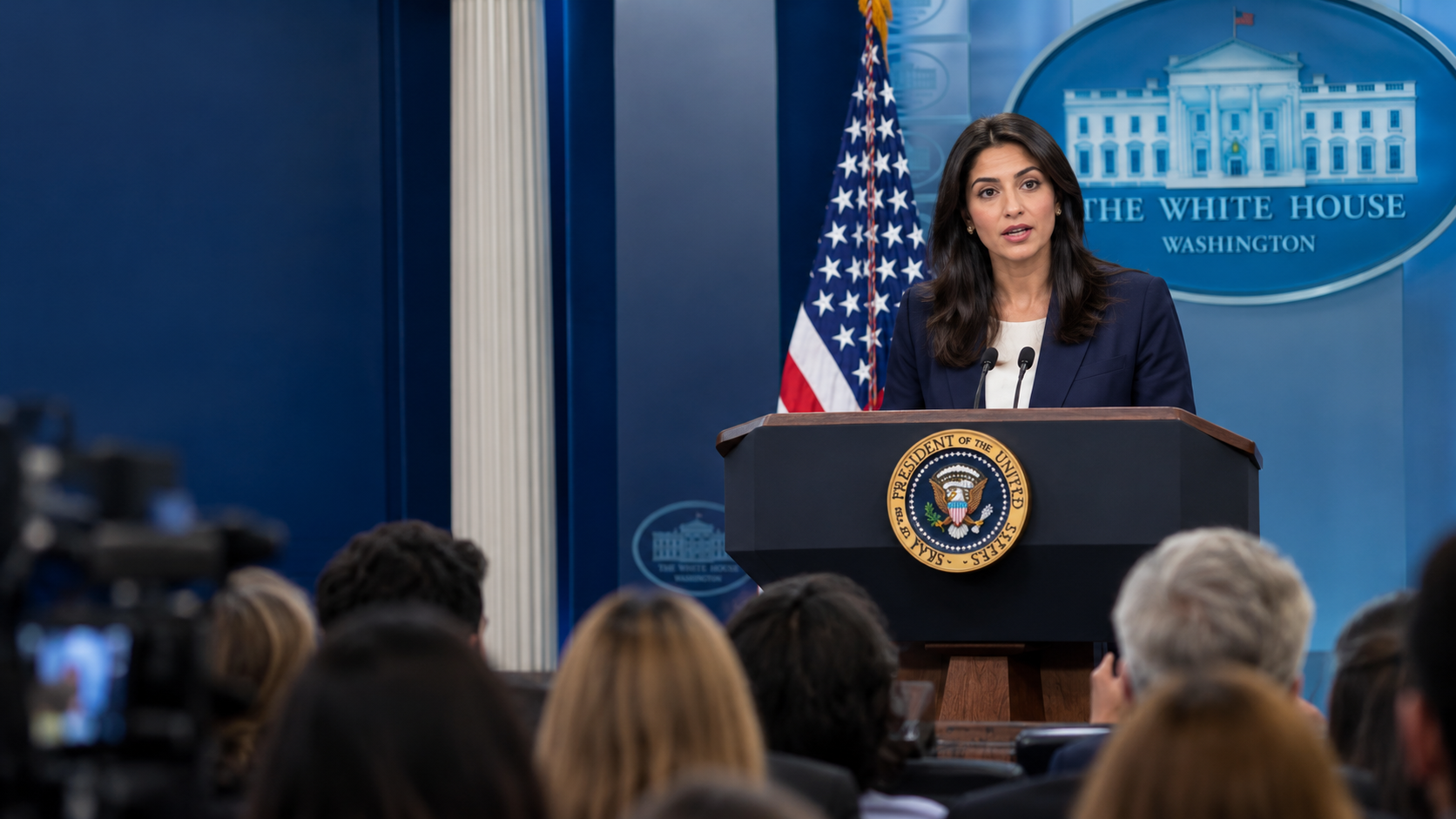 Katie Zacharia has made her first appearance as White House press secretary, drawing attention to her communication style, the limited questions taken and the challenges of representing the Trump administration before the media.
The White House briefing room has a new face. Katie Zacharia, appointed as the 37th White House press secretary, delivered her first press briefing on October 13, 2026, placing herself at the center of an important communications role in American politics.
Her debut quickly became a talking point after the briefing lasted approximately 14 minutes and included questions from only three media outlets, according to the Associated Press. The short session and limited questioning prompted criticism from some media commentators and former White House press secretaries. President Donald Trump, however, praised her performance.
Who Is Katie Zacharia?
Zacharia is a former Newsmax commentator who has now taken on the responsibility of communicating the president’s positions, explaining administration policies and responding to questions from journalists.
The press secretary is one of the most visible communication roles in the White House. The person in the position must explain government decisions, defend the administration’s record and respond to questions about domestic and international developments.
The role can be especially demanding during politically sensitive periods, when journalists seek clear answers about decisions involving the economy, foreign policy, immigration and national security.
The White House described Zacharia’s first briefing as a strong introduction to her tenure. Independent coverage, however, focused on the short duration of the session and the narrow range of questions.
A Briefing That Drew Attention
During her first appearance, Zacharia praised Trump’s leadership and highlighted what she described as the administration’s achievements. Her delivery and the limited number of questioners became major subjects of discussion after the briefing.
The Associated Press reported that she frequently referred to a script and that the session included questions from only three outlets. The briefing also included some verbal missteps, which added to the scrutiny surrounding her debut.
The event illustrates the challenge facing any new press secretary: communicating the administration’s message while demonstrating that journalists can raise difficult questions and receive substantive answers.
For the White House, briefings are more than routine announcements. They are an opportunity to explain decisions, respond to criticism and shape how the public understands government policy.
Kimberly Guilfoyle’s Departure Also Makes Headlines
One significant announcement during the briefing concerned Kimberly Guilfoyle, the U.S. ambassador to Greece. Zacharia confirmed that the White House had asked Guilfoyle to resign.
The departure followed reports raising questions about Guilfoyle’s conduct and alleged efforts to exchange access to administration officials for money, gifts or favors. Guilfoyle has denied wrongdoing. The allegations should not be treated as established findings.
The issue highlights the range of topics a White House press secretary may be expected to address, from personnel decisions and diplomatic relationships to allegations involving public officials.
What Happens Next?
Zacharia’s first briefing is only the beginning of her tenure. The longer-term assessment will depend on how she handles increasingly difficult questions, explains policy decisions and communicates during major national and international events.
A press secretary’s influence is not measured by one appearance alone. Consistency, accuracy, transparency and the ability to respond under pressure all contribute to the credibility of the role.
The response to Zacharia’s debut also reflects a broader challenge for political communication in a deeply divided media environment. Supporters may view a firm defense of the president as effective messaging, while critics may expect more direct answers and broader access for journalists.
For audiences following American politics, the key question is what her future briefings will reveal about the administration’s approach to public communication.
Zacharia has now taken the podium. The scrutiny surrounding her first appearance shows that the real test will be how she handles the questions still to come.


