

Indonesia 7.7 Earthquake: Death Toll Rises as Rescue Teams Race to Reach Survivors
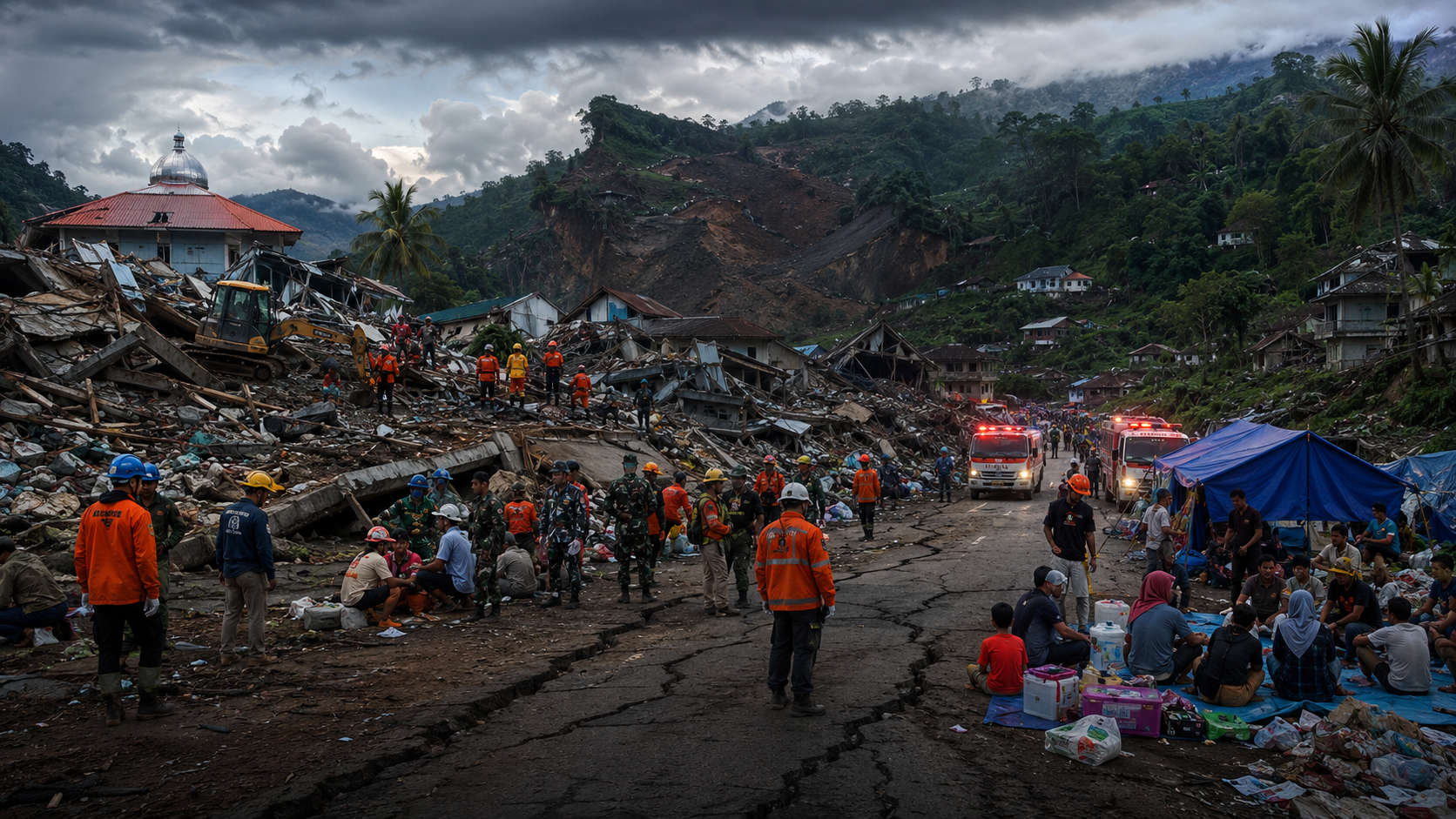 A powerful magnitude 7.7 earthquake that struck eastern Indonesia has killed at least 68 people and injured more than 200, as emergency teams continue searching damaged communities and delivering aid to thousands of residents displaced by the disaster.
The earthquake struck Flores Island in East Nusa Tenggara early Saturday at a shallow depth of around 10 kilometres. The strong shaking damaged homes and public infrastructure, while landslides blocked roads and complicated access to some of the hardest-hit communities.
Rescue Operations Continue
Rescue teams are working through collapsed structures and damaged areas as authorities assess the full scale of the destruction. Emergency workers have also been conducting searches in locations that remain difficult to reach because of blocked roads and disrupted communications.
The latest reports indicate that more than 200 people have been injured, while thousands of residents have been forced to leave their homes and seek shelter. Emergency field hospitals are being established in affected areas as some existing medical facilities were damaged by the earthquake.
Aid deliveries are also underway, with authorities providing food, water, medicine and temporary shelter to displaced communities. However, difficult terrain and damaged transportation routes continue to slow the relief operation.
Aftershocks Hamper Relief Efforts
The initial earthquake has been followed by a large number of aftershocks, creating additional fear among residents and making rescue operations more challenging. Reports indicate that nearly 1,600 aftershocks have been recorded since the main earthquake.
Many residents have chosen to remain outdoors or in temporary shelters because they are afraid damaged buildings could collapse during further tremors.
The earthquake initially prompted tsunami concerns, although the warning was later lifted after authorities determined that there was no continuing major tsunami threat.
Communities Face Growing Humanitarian Needs
For families in the worst-affected areas, the immediate priorities are basic necessities including clean water, food, medical care and safe shelter.
Some isolated communities have struggled to receive assistance because landslides and damaged roads have prevented emergency vehicles from reaching them. Authorities are working to reopen transportation routes and improve access to remote villages.
The disaster has also affected hospitals and other public facilities, increasing pressure on emergency medical teams. Officials are preparing additional field medical capacity to treat people in areas where permanent facilities have been damaged.
A Country Familiar With Earthquake Risk
Indonesia is particularly vulnerable to earthquakes because it sits along the Pacific Ring of Fire, one of the world’s most active seismic regions.
The country has experienced numerous destructive earthquakes and tsunamis throughout its history. The latest disaster once again highlights the importance of earthquake-resistant infrastructure, emergency preparedness and rapid warning systems.
For residents of Flores, however, the immediate focus remains recovery.
As rescue teams continue searching damaged areas, authorities are assessing destroyed homes, roads, schools and other infrastructure while distributing emergency supplies to displaced families.
The death toll could change as rescuers gain access to more isolated communities and damage assessments become more complete.
For now, the earthquake has left communities across eastern Indonesia facing a difficult recovery, while emergency workers continue their race to reach survivors and provide assistance to those who have lost homes and loved ones.


