

Iran–U.S. Tensions Keep Strait of Hormuz at Center of Global Energy Crisis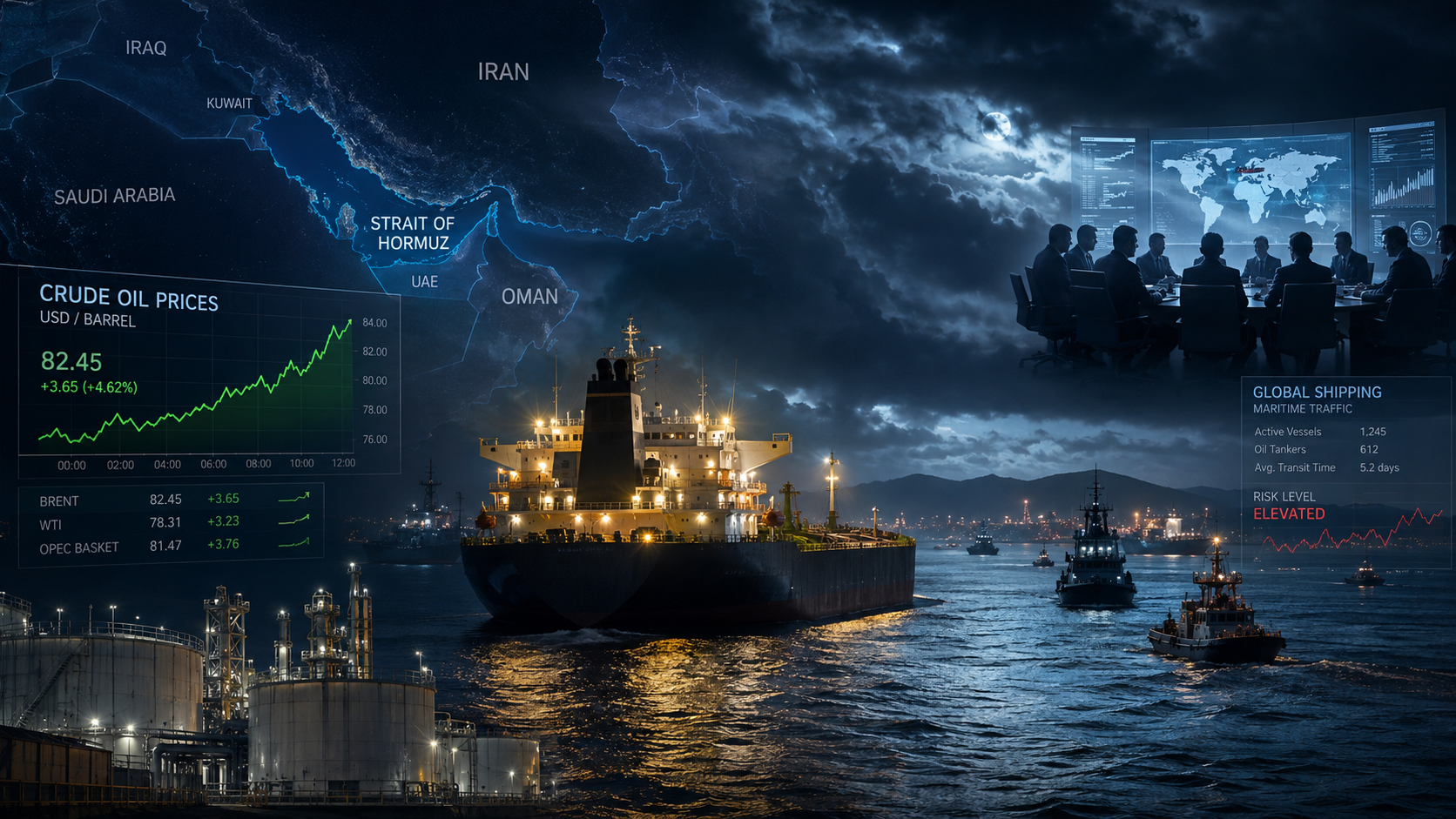 The Strait of Hormuz remains at the center of international attention as Iran and Oman work toward an agreement intended to establish shipping arrangements through the strategically important waterway. While Iranian officials have indicated that negotiations are nearing completion, the prospect of a full reopening remains uncertain, keeping governments, shipping companies and energy markets on high alert.
The latest developments have highlighted the difference between reaching an agreement on maritime transit arrangements and restoring normal commercial traffic. Iran has said that a potential agreement with Oman would help define shipping routes through the strait, but Tehran has also linked a broader reopening to additional conditions involving the United States.
The Strait of Hormuz is one of the world’s most important maritime energy chokepoints. It connects the Persian Gulf with the Gulf of Oman and the wider Arabian Sea, making it a critical route for oil and gas shipments from major energy-producing countries.
Because of its strategic importance, uncertainty surrounding the waterway can quickly spread beyond the Middle East. Energy traders closely monitor developments because any prolonged disruption to shipping can affect crude oil supplies, transportation costs and expectations for fuel prices.
Recent market movements have reflected those concerns. Oil prices have risen as uncertainty continues over when the strait could return to more predictable commercial operations. Even without a complete interruption of global supplies, the perception of increased risk can influence insurance premiums, tanker rates and trading decisions.
For shipping companies, the situation presents another major challenge. Tankers and commercial vessels operating in or near the region must consider security risks, potential delays and changing navigation arrangements. Any prolonged uncertainty could force companies to reassess routes, schedules and operating costs.
Diplomacy therefore remains central to the situation. Oman has an important role because of its geographic position and longstanding diplomatic relationships in the region. Negotiations involving Oman could provide a pathway toward establishing clearer transit arrangements and reducing uncertainty for commercial shipping.
However, the diplomatic process remains fragile. Iranian officials have indicated that an Oman agreement alone would not necessarily be sufficient to reopen the waterway fully, with Tehran demanding further action from Washington.
The consequences extend beyond oil markets. Higher energy and transportation costs can eventually affect manufacturing, aviation, shipping, agriculture and consumer prices. Countries that depend heavily on imported energy are particularly sensitive to prolonged disruptions or sharp movements in global oil prices.
Financial markets are also watching the negotiations closely. Investors typically respond to geopolitical uncertainty by reassessing energy companies, transportation businesses, currencies and other assets that could be affected by higher commodity prices.
For governments, the crisis has renewed attention on energy security and the importance of diversified supply chains. Strategic petroleum reserves, alternative transportation routes and diversified energy sources can help countries reduce their exposure to disruptions at major maritime chokepoints.
As Iran and Oman continue their negotiations, the international community will be watching for signs that commercial shipping can return to more normal conditions. Until there is greater clarity, the Strait of Hormuz will remain a major focus for diplomats, energy traders and shipping operators around the world.
The situation demonstrates how a narrow maritime passage can have consequences far beyond its immediate region. Developments in the Gulf can influence energy prices, global trade and economic confidence within hours, making the future of the Strait of Hormuz one of the most closely watched geopolitical issues of 2026.


