

Strait of Hormuz Reopening Talks Raise Hopes for Global Oil and Shipping Relief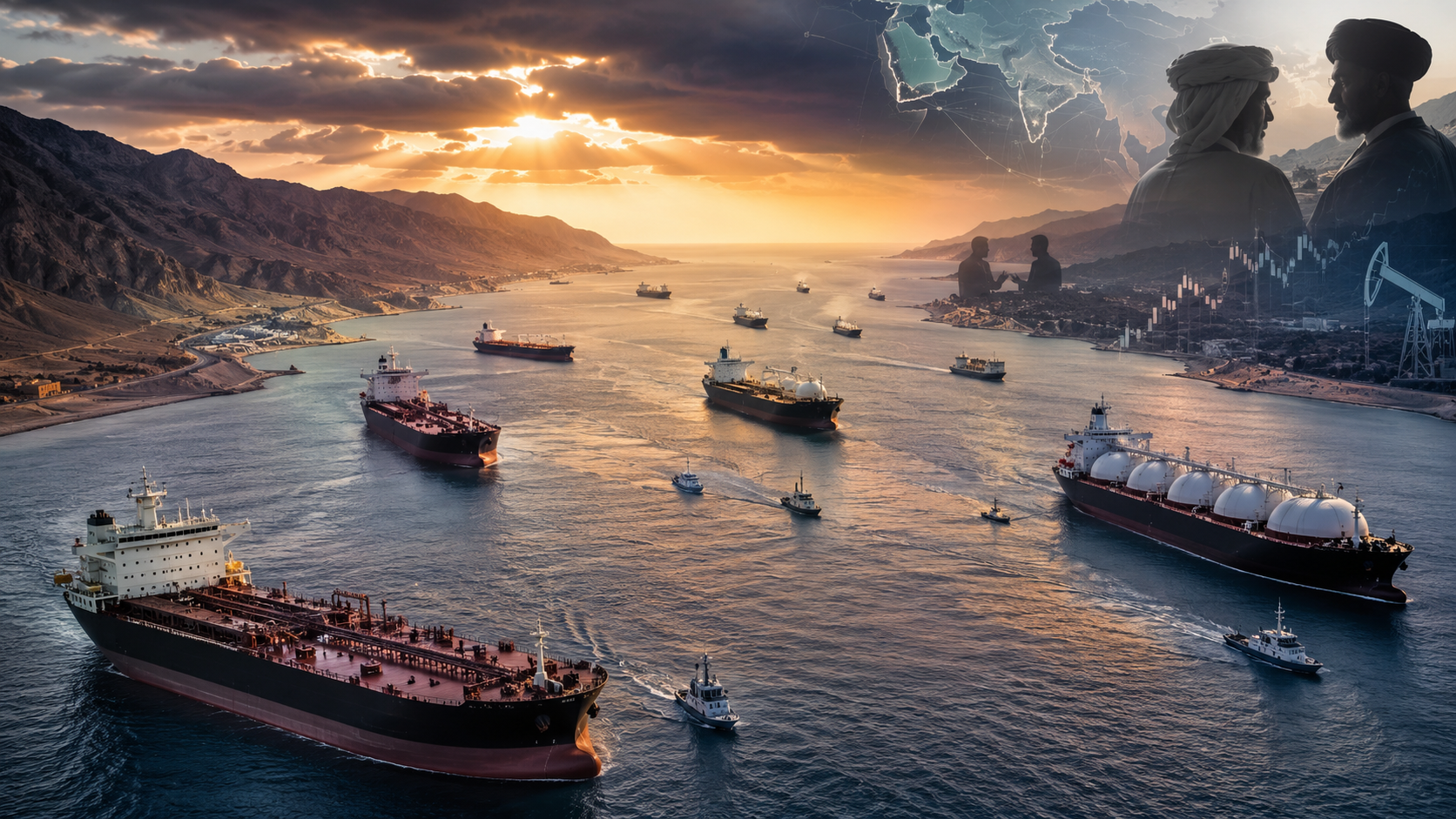 The possibility of a partial reopening of the Strait of Hormuz is becoming one of the biggest developments for global energy markets, as Iran and Oman work toward arrangements that could allow commercial vessels to safely navigate the strategically important waterway.
Iran and Oman have been negotiating a temporary navigational corridor, with Omani officials expressing hope that practical arrangements could soon restore safer commercial shipping. However, the agreement has not yet been finalized, and major disagreements involving the United States and Iran remain unresolved.
The uncertainty is being closely watched by governments, shipping companies, energy producers and investors because the Strait of Hormuz is one of the world’s most important energy chokepoints.
Why Hormuz Matters to the World
Before the current conflict disrupted shipping, roughly one-fifth of global oil shipments passed through the Strait of Hormuz. Large volumes of liquefied natural gas also move through the waterway, making its security crucial to energy-importing economies across Asia and beyond.
The disruption has sharply reduced commercial traffic.
Reuters reported that 10 commodity vessels crossed the strait on Wednesday, up from eight the previous day. While the increase could signal early signs of improving navigation, traffic remains well below normal levels. Some vessels may also be difficult to track because their transponders are switched off.
For shipping companies, the question is therefore not simply whether the waterway is technically open, but whether vessels can travel through it with enough confidence to justify the risks and insurance costs.
Oil Prices React to Reopening Hopes
Financial markets have already responded to the possibility of improved shipping conditions.
Brent crude recently fell to around $87.43 a barrel, while U.S. West Texas Intermediate dropped to approximately $81.86, as investors reacted to diplomatic efforts involving Iran, Oman and Qatar.
The price movement demonstrates how quickly geopolitical developments around Hormuz can influence energy markets.
If commercial shipping gradually returns to normal, additional oil and gas supplies could reach international markets, potentially easing some of the pressure that has built up during the prolonged disruption.
However, traders remain cautious because negotiations could still fail.
🇮🇷 Iran and Oman Seek a Temporary Corridor
The proposed arrangement would establish a temporary system for commercial navigation through the waterway.
Oman’s foreign minister has expressed optimism that a temporary corridor could soon be announced, while Iran has indicated that arrangements concerning control of the waterway and revenues are part of the negotiations.
Iran’s Revolutionary Guard, however, has warned that reopening conditions remain linked to broader demands involving the United States, including sanctions and the U.S. blockade of Iranian ports.
That means the corridor is not simply a shipping agreement—it is closely connected to the wider diplomatic confrontation between Tehran and Washington.
Washington Remains a Major Factor
The United States has its own objectives for the waterway and has opposed arrangements that could give Iran greater control over the strategic passage.
At the same time, Washington has shifted some attention toward economic pressure, while diplomatic efforts continue in the region. Qatar’s prime minister is also expected to visit Tehran in an effort to restart negotiations.
The competing positions make a rapid return to completely normal shipping far from certain.
What It Means for Global Trade
A sustained reopening could have consequences far beyond the Middle East.
Lower shipping risks could reduce transportation and insurance costs. More reliable oil and gas flows could ease pressure on fuel markets, while countries heavily dependent on Gulf energy supplies could gain greater certainty.
Manufacturers, airlines, logistics companies and consumers would also benefit from a more stable energy environment if fuel prices remain lower.
But until a formal agreement is reached and shipping traffic returns substantially toward normal levels, markets are likely to remain sensitive to every diplomatic development.
The Road Ahead
The Strait of Hormuz has become more than a regional security issue. It is now a major test for global energy security, international shipping and diplomacy.
Iran and Oman may be moving toward a temporary solution, and early signs of increased vessel traffic have encouraged markets. But the waterway has not fully reopened, and major political disagreements remain.
For oil traders, shipping companies and governments around the world, the next question is simple:
Can diplomacy turn today’s fragile corridor into a safe and reliable shipping route?
The answer could influence oil prices, fuel costs and global trade for months to come.


