

Oil Isn’t Running Out — So Why Is It Still Above $100?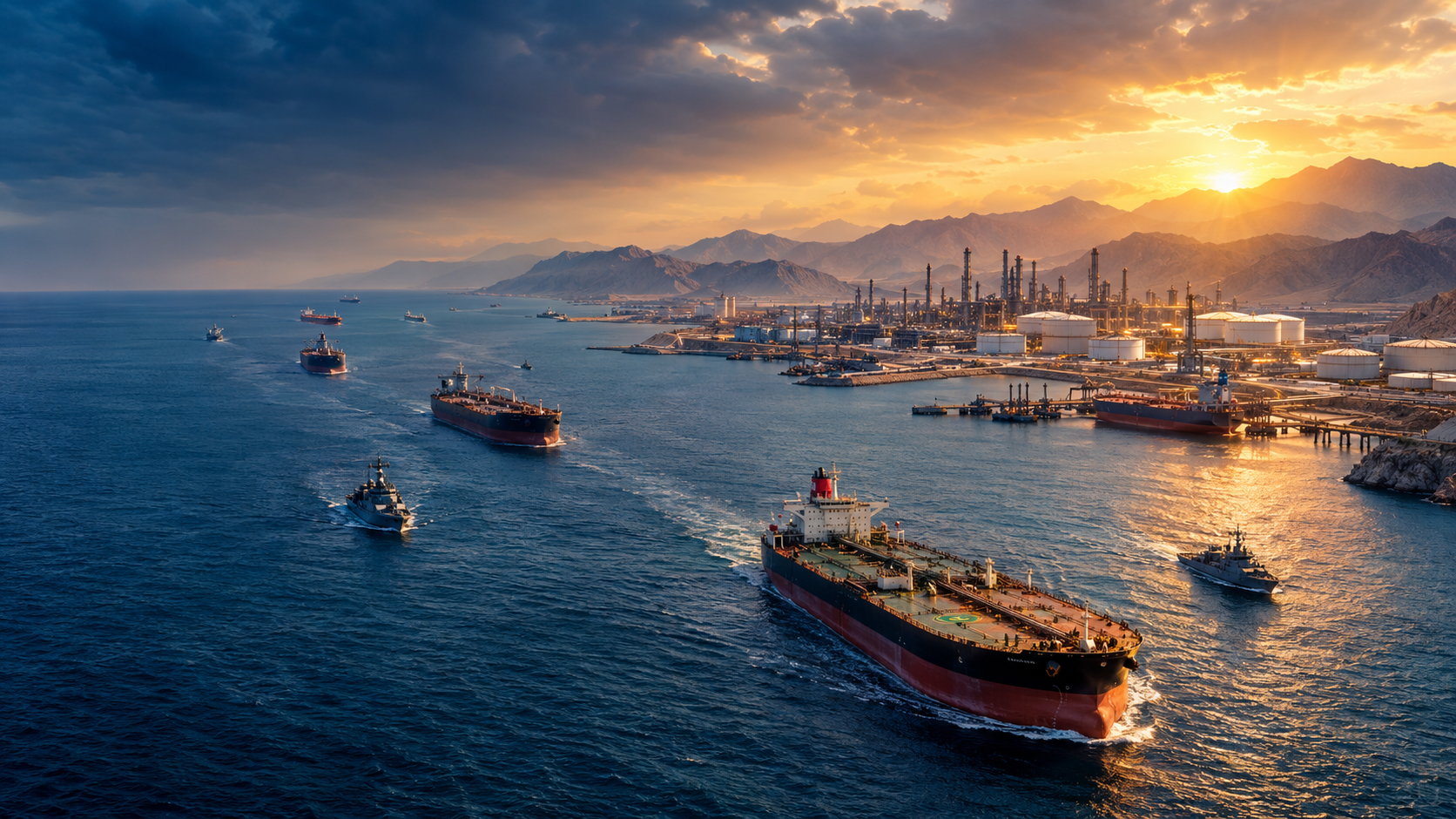 The global oil market is facing an unusual problem: the world is getting more oil through the Middle East, yet crude prices remain above $100 a barrel.
At first glance, that seems contradictory. If oil exports are recovering, shouldn’t prices be falling?
Not necessarily.
The bigger problem now is logistics.
Crude flows through the Strait of Hormuz, one of the world’s most important energy chokepoints, recovered to about 14.2 million barrels per day on a seven-day average in late September, according to Kpler data cited by Reuters. That was nearly 80% of pre-war levels. Yet Brent crude remains above $100 a barrel.
The reason is that getting oil from producers to consumers has become dramatically more expensive and complicated.
Tanker freight rates have exploded as ships face longer routes, security risks and complicated transfer arrangements. Reuters reported that rates for very large crude carriers traveling from the Middle East to Asia recently exceeded $1.2 million per day, compared with roughly $30,000 a day in January. Freight costs that once represented only a small portion of delivered oil prices now account for a much larger share.
Insurance is also becoming more expensive as attacks and security threats continue around critical shipping routes.
And the disruption does not end when crude reaches a refinery.
Refining capacity has also been hit by the wider conflict and attacks on energy infrastructure, creating particular pressure in the diesel market. Diesel is crucial for transportation, agriculture, construction and manufacturing, meaning shortages can quickly spread through the broader economy.
That creates a dangerous feedback loop.
Higher transportation costs raise the price of delivered crude. Limited refining capacity pushes up fuel prices. Higher fuel costs increase operating expenses for companies and transportation networks, while consumers can ultimately face higher prices.
Meanwhile, the world’s emergency cushion is becoming thinner.
Saudi Aramco CEO Amin Nasser said global oil inventories have been heavily depleted during the crisis. According to Reuters, around 3 billion barrels of supply were lost and about 1 billion barrels were withdrawn from inventories, leaving the global market with a much smaller buffer. Nasser warned that rebuilding those stocks could take as long as two years.
That warning matters because emergency reserves are designed to absorb temporary shocks—not permanently replace disrupted infrastructure and shipping networks.
The Group of Seven has also moved to release emergency oil and fuel stocks, providing additional supply to the market. But Reuters notes that reserve releases may offer only temporary relief while refining and logistics constraints remain.
Saudi Arabia is already adapting. Saudi Aramco recently cut its November selling price for Arab Light crude to Asian buyers to a six-year low, partly reflecting the extraordinary cost of transporting crude to customers.
So the oil story is no longer simply about how many barrels are being produced.
It is increasingly about whether those barrels can be transported, insured, refined and delivered efficiently.
That is why oil can remain above $100 even as Middle Eastern exports recover.
The world may not be running out of oil. It is running short of easy, cheap and reliable ways to move it.


