

Strait of Hormuz Crisis Deepens as U.S. Blockade Threat Raises Global Oil and Shipping Concerns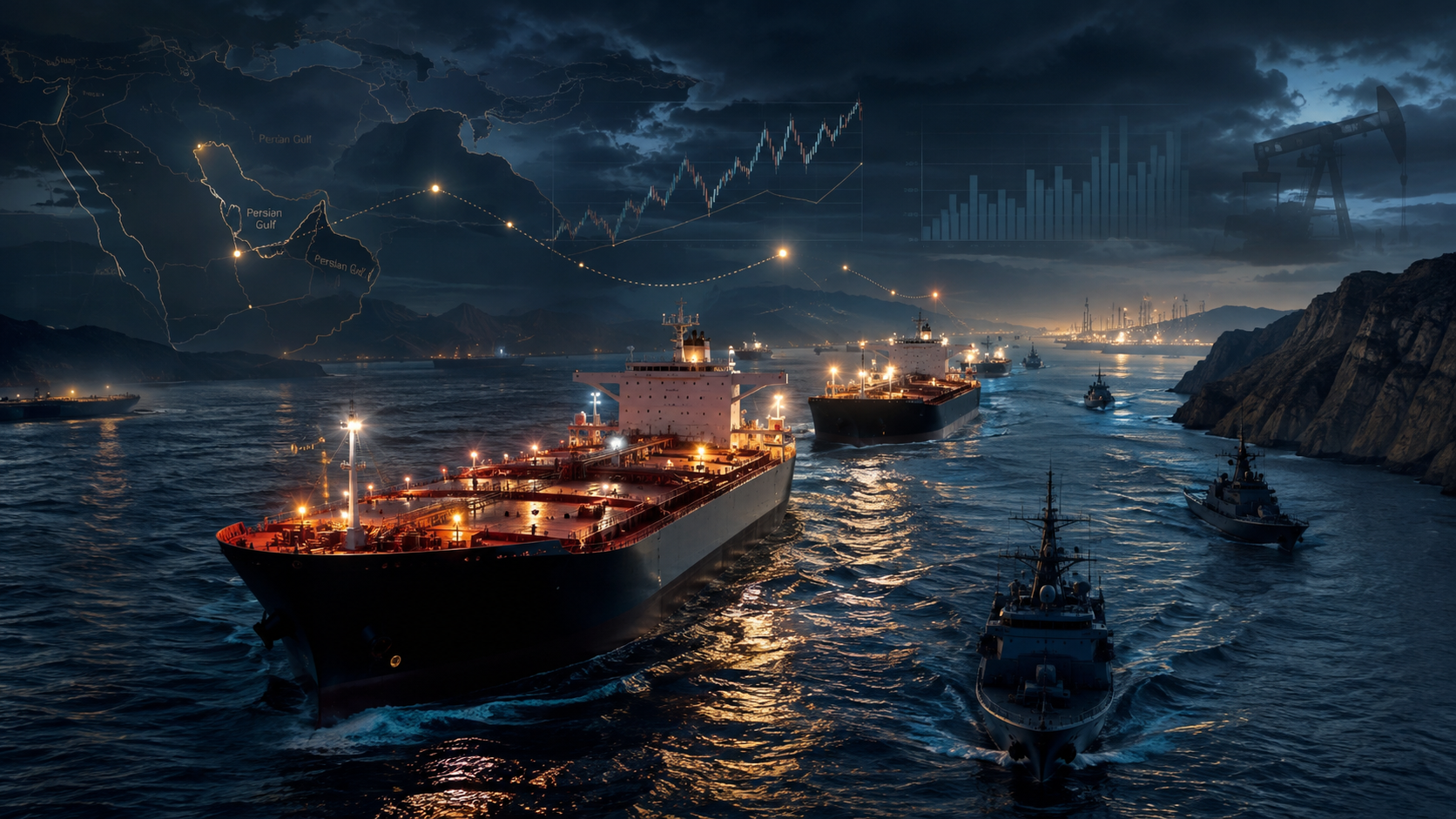 The Strait of Hormuz crisis has intensified as tensions between Iran and the United States continue to disrupt one of the world’s most important energy shipping routes. The United States has said its naval forces could maintain a blockade of Iranian ports indefinitely, while fresh allegations of attacks on commercial vessels have added another layer of uncertainty for global shipping and energy markets.
The latest development came from the United Arab Emirates, which accused Iran of attacking two vessels linked to the Abu Dhabi National Oil Company (ADNOC) while they were transiting the Strait of Hormuz. The UAE said there were no injuries, while ADNOC confirmed that the situation had been brought under control. Iran had not immediately commented on the latest allegations.
The incidents come as maritime traffic through the strategic waterway remains dramatically below normal levels. Reuters reported that only eight vessels were tracked passing through the strait on Tuesday, compared with typical daily traffic of roughly 130 to 140 vessels before the current disruption.
That decline matters because the Strait of Hormuz is a critical route for global oil and gas shipments. Prolonged disruption can affect crude supplies, tanker availability, insurance costs and transportation routes, creating consequences far beyond the Middle East.
Oil Markets Remain Under Pressure
Energy markets are watching developments closely. Oil prices have responded to uncertainty surrounding the waterway, particularly as traders assess how long shipping disruptions could continue. Reuters reported that oil prices edged higher after the United States threatened to maintain its blockade, reflecting renewed concerns about global supply.
A prolonged disruption could also increase costs for industries that depend heavily on energy and transportation. Higher fuel and shipping costs can eventually affect airlines, manufacturers, logistics companies and consumers.
Shipping Companies Face Difficult Choices
For tanker operators and other commercial vessels, the security situation creates difficult decisions. Companies may choose to delay voyages, reroute vessels or use alternative maritime corridors when possible.
Rerouting, however, can add significant distance and cost to international shipments. The increased risk can also raise insurance premiums and complicate delivery schedules.
ADNOC has already been adapting its operations to the difficult environment. Reuters reported that the company has expanded its shipping fleet and developed alternative methods for moving crude amid the disruption.
Iran and U.S. Claims Remain Far Apart
The crisis is also being shaped by competing claims over control of the Strait. Iranian officials have said the waterway remains under Iranian control, while U.S. President Donald Trump has made opposing claims regarding American control.
At the same time, diplomatic efforts have struggled to produce a lasting resolution. Earlier discussions involving Oman raised hopes for arrangements that could allow some shipping to resume, but Iran has linked a broader reopening to conditions involving the United States.
Why the World Is Watching
The Strait of Hormuz crisis is no longer simply a regional security issue. It has become a major global economic story involving oil, shipping, inflation, energy security and international trade.
Governments and businesses around the world are watching for signs of de-escalation, while energy traders are monitoring every development that could affect crude supplies.
For now, uncertainty remains high. With the United States signaling that its naval blockade could continue indefinitely and fresh vessel attacks adding to maritime concerns, the Strait of Hormuz remains one of the world’s most closely watched geopolitical pressure points.


