

Iran Says It Captured U.S. Drone as Gulf Conflict Sends Oil Toward $100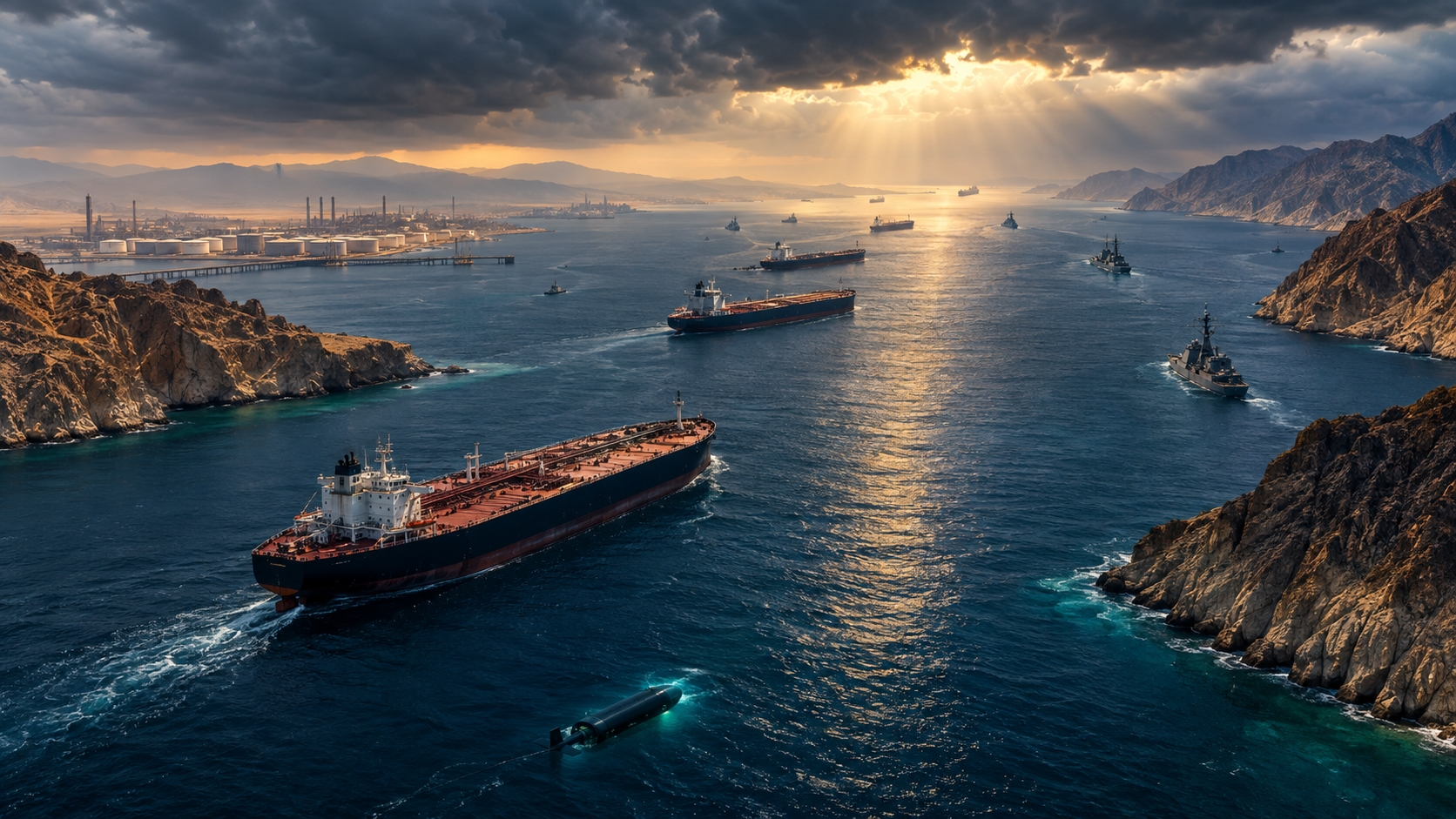 The U.S.–Iran conflict is entering another dangerous phase, with tensions spreading across the Gulf, attacks hitting Saudi energy facilities and global oil prices moving rapidly toward the psychologically important $100-a-barrel level.
The latest flashpoint came Tuesday when Iran said its forces had captured a U.S. underwater drone near the Strait of Hormuz. Iran’s Revolutionary Guards identified the vessel as a Dive-LD autonomous underwater vehicle built by California-based defense company Anduril. Tehran portrayed the seizure as a significant military development.
The United States gave a very different account. A Pentagon spokesperson said the underwater drone had malfunctioned more than a day earlier while surveying regional waters and described it as an older model without classified sonar, radar or sensitive data. Reuters said it could not independently verify Iran’s account of the capture.
The incident comes as military activity around the Strait of Hormuz intensifies. U.S. Central Command said American forces destroyed five Iranian crude-oil carriers on Tuesday after attempted missile attacks on a U.S. Navy warship. The latest strikes add another layer of risk to a conflict already disrupting commercial shipping and energy markets.
Saudi Arabia becomes another major flashpoint
The conflict is no longer centered only on U.S. and Iranian forces.
Iran-aligned Houthi forces in Yemen launched coordinated attacks against four southern Saudi Arabian cities, according to Saudi authorities and Reuters. The attacks injured 73 people and caused fires at energy installations. Facilities connected to Saudi Aramco in Abha, Najran and Jizan were among the locations affected.
The attacks have raised concerns about another major source of disruption to global energy supplies. Saudi Arabia is one of the world’s most important oil producers, meaning prolonged attacks on its infrastructure could have consequences far beyond the Middle East.
Oil approaches $100
Energy markets are responding immediately.
Brent crude climbed to around $98.63 a barrel on Tuesday, while continued escalation pushed prices closer to the $100 threshold.
Goldman Sachs has warned that oil could reach as high as $120 a barrel if attacks on shipping in the Middle East intensify. The bank has also said prices could move lower if regional exports return to normal conditions.
The Strait of Hormuz is at the center of the concern. Although oil continues to move through the waterway, shipping activity has fallen sharply during the conflict. Reuters reported that flows have remained well below levels seen before the war, while alternative routes are helping some Gulf producers maintain exports.
What happens next?
The biggest question is whether the latest escalation remains contained or develops into a wider regional confrontation.
For markets, even the threat of further attacks can increase the cost of transporting oil and other goods. Higher energy prices can eventually affect gasoline, diesel, aviation fuel, shipping, manufacturing and inflation around the world.
For now, a complete shutdown of the Strait of Hormuz has not occurred. But with military forces exchanging attacks, commercial tankers being targeted and Saudi energy infrastructure under threat, the risk premium surrounding global oil supplies is rising.
The next major development could determine whether oil merely approaches $100—or whether the Gulf crisis pushes the global energy market into a much deeper shock.