

Nepal–Tibet Flood Disaster: Death Toll Crosses 1,000 as Thousands Remain Missing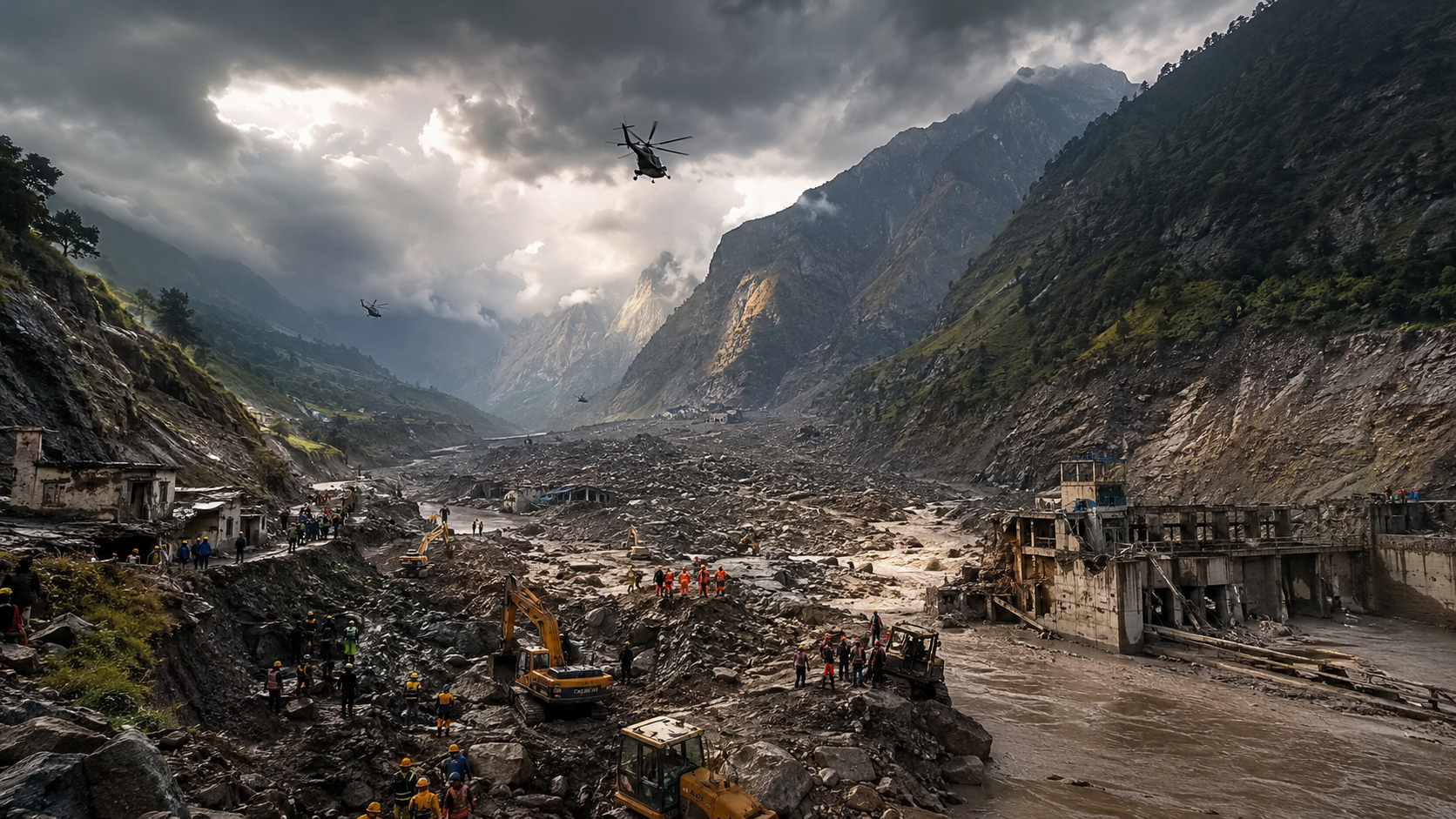 A catastrophic flood disaster along Nepal’s border with Tibet has entered a new and even more desperate phase, with the death toll surpassing 1,000 and thousands of people still missing as rescue teams continue searching through devastated mountain communities.
The disaster began on August 26 after what researchers and authorities believe was a glacier collapse in the Himalayan region triggered a powerful surge of water, ice, rocks and mud through river valleys. The resulting floods devastated communities in northern Nepal and parts of the Tibet region of China.
As of September 1, Nepalese authorities and international reporting put the Nepal death toll at around 1,050, while roughly 4,000 people remain missing. The missing include hundreds of foreign nationals, adding an international dimension to an already enormous humanitarian emergency.
Rescue Operations Face Massive Obstacles
Rescue crews are confronting some of the most difficult conditions imaginable. Roads and bridges have been destroyed, communications have been disrupted and huge quantities of mud and debris have buried infrastructure.
The United Nations Development Programme estimates that approximately 2.2 million tonnes of debris remain across the areas assessed. More than 10,000 people have already been rescued, but authorities continue to focus on remote communities and damaged hydropower facilities.
Hydropower projects have become one of the most urgent rescue zones. Hundreds of workers are believed to have been trapped at several sites, including inside tunnels. Rescue teams are using heavy machinery, helicopters, temporary bridges and other equipment to reach isolated locations.
The scale of destruction is also threatening Nepal’s energy infrastructure. UNDP reported that 11 hydropower stations and a solar plant with a combined capacity of more than 431 megawatts had stopped operating, while additional projects under construction were damaged.
Families Search for Missing Loved Ones
The humanitarian crisis has now moved beyond rescue into a painful identification effort. Nepal Police have asked relatives of missing people, including foreign tourists and pilgrims, to provide DNA samples and photographs to help identify victims.
Among those missing are foreign nationals from several countries, including India, the United States, the United Kingdom, Australia and others. Many had travelled through the Himalayan region for tourism, trekking or religious pilgrimages.
For families, the disaster has created an agonizing wait. Some survivors have returned to find homes destroyed, possessions swept away and relatives still unaccounted for.
A Warning for the Himalayas
The disaster is also intensifying concerns about the growing risks facing Himalayan communities as glaciers and high-mountain environments become increasingly vulnerable.
Nepal’s Prime Minister Balendra Shah has called for greater international attention to the region’s climate-related disaster risks. Scientists have also warned that cascading events involving glaciers, landslides, rivers and extreme rainfall can create devastating consequences in mountain valleys.
For Nepal, however, the immediate priority remains rescue and recovery.
Thousands of families are still waiting for answers, while emergency crews continue digging through mud, debris and damaged infrastructure in the hope of finding survivors.
The Nepal–Tibet disaster is no longer only a story about a devastating flood. It has become a major humanitarian emergency — and a stark warning about the growing vulnerability of communities living beneath the world’s highest mountains.