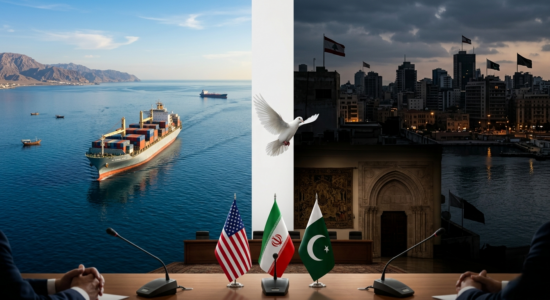

Oil Near $100: Is the Strait of Hormuz About to Shut Down?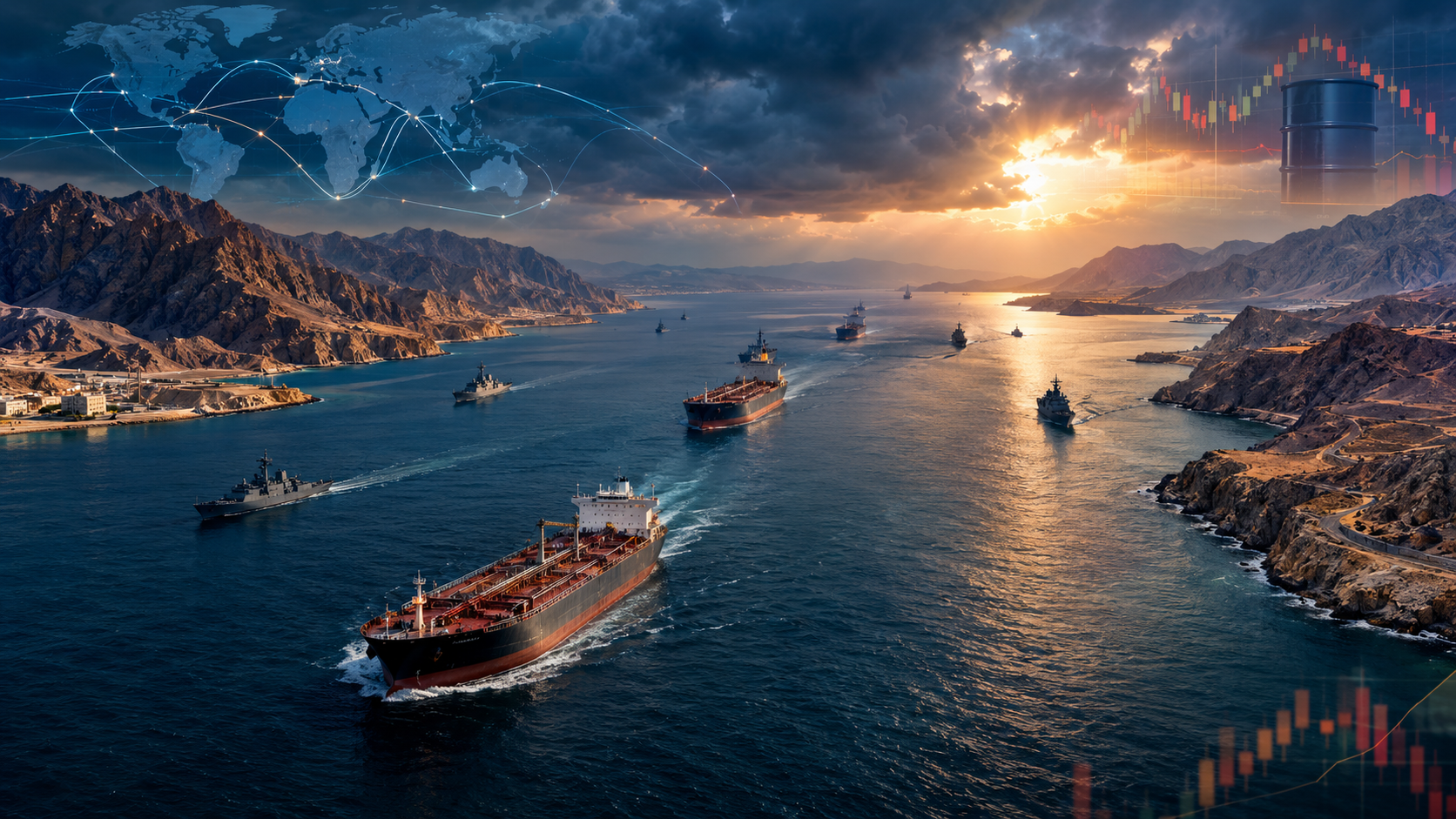 The Strait of Hormuz has become the center of a rapidly escalating U.S.–Iran confrontation, raising fresh concerns about global oil supplies, shipping security and fuel prices.
Iran says it plans to announce a new restricted zone in the Gulf in the coming days, alongside maps for a new shipping corridor through the Strait of Hormuz. Iranian officials have warned that ships entering the proposed restricted area could face sanctions, while Tehran says the waterway will only be fully open if U.S. attacks and pressure against Iran stop.
The development comes after a sharp escalation around commercial shipping. The U.S. military said it struck three Iranian oil tankers on September 5 after Iranian forces targeted U.S. warships in the region. Iran has threatened further retaliation, increasing fears that commercial vessels could become increasingly caught in the conflict.
Oil prices move toward $100
The biggest concern for the global economy is what happens to oil.
Brent crude climbed to around $97 a barrel on Monday, extending significant gains from the previous week. U.S. crude was also trading above $92 a barrel. The move reflects growing fears that continued military confrontation could restrict the flow of crude from the Middle East.
The Strait of Hormuz is one of the world’s most important energy chokepoints. Before the current conflict, roughly one-fifth of global oil supplies passed through the waterway.
Shipping activity has already dropped dramatically. Reuters reported that an average of only about 10 commercial cargo ships per day crossed the Strait during the previous 10 days, the lowest level since May.
Why the world is watching
A prolonged disruption would extend far beyond the Middle East.
Higher crude prices can raise the cost of gasoline, diesel, aviation fuel, transportation and manufacturing. Countries heavily dependent on imported energy could face additional inflationary pressure, while airlines, shipping companies and energy-intensive industries could see operating costs increase.
The situation is also creating a difficult calculation for shipping companies. Even when routes remain technically open, the risk of missile attacks, tanker strikes and restrictions can make commercial operators reluctant to send vessels through the area.
At the same time, the United States says oil is still moving through the waterway. U.S. Energy Secretary Chris Wright said American transits were averaging more than 9 million barrels per day, highlighting the disagreement over how severely the conflict has reduced actual oil flows.
Is Hormuz actually about to close?
Not necessarily.
The latest developments point to higher risk rather than a confirmed total closure. Oil continues to move through the Strait, and alternative pipelines and export routes can partially reduce the impact of disruptions.
But markets are reacting to uncertainty. Every new attack on a tanker, threat against energy infrastructure or restriction on shipping adds another layer of risk.
For consumers and businesses around the world, the question is no longer simply whether the U.S.–Iran conflict will remain regional.
It is whether the confrontation can disrupt one of the world’s most important energy routes long enough to send oil, transportation costs and inflation significantly higher.
With Brent crude already approaching $100 a barrel, the Strait of Hormuz is now being watched not only as a military flashpoint, but as a potential trigger for another global energy shock.