

Europe’s Gas Prices Surge as Iran War Threatens Global Energy Supply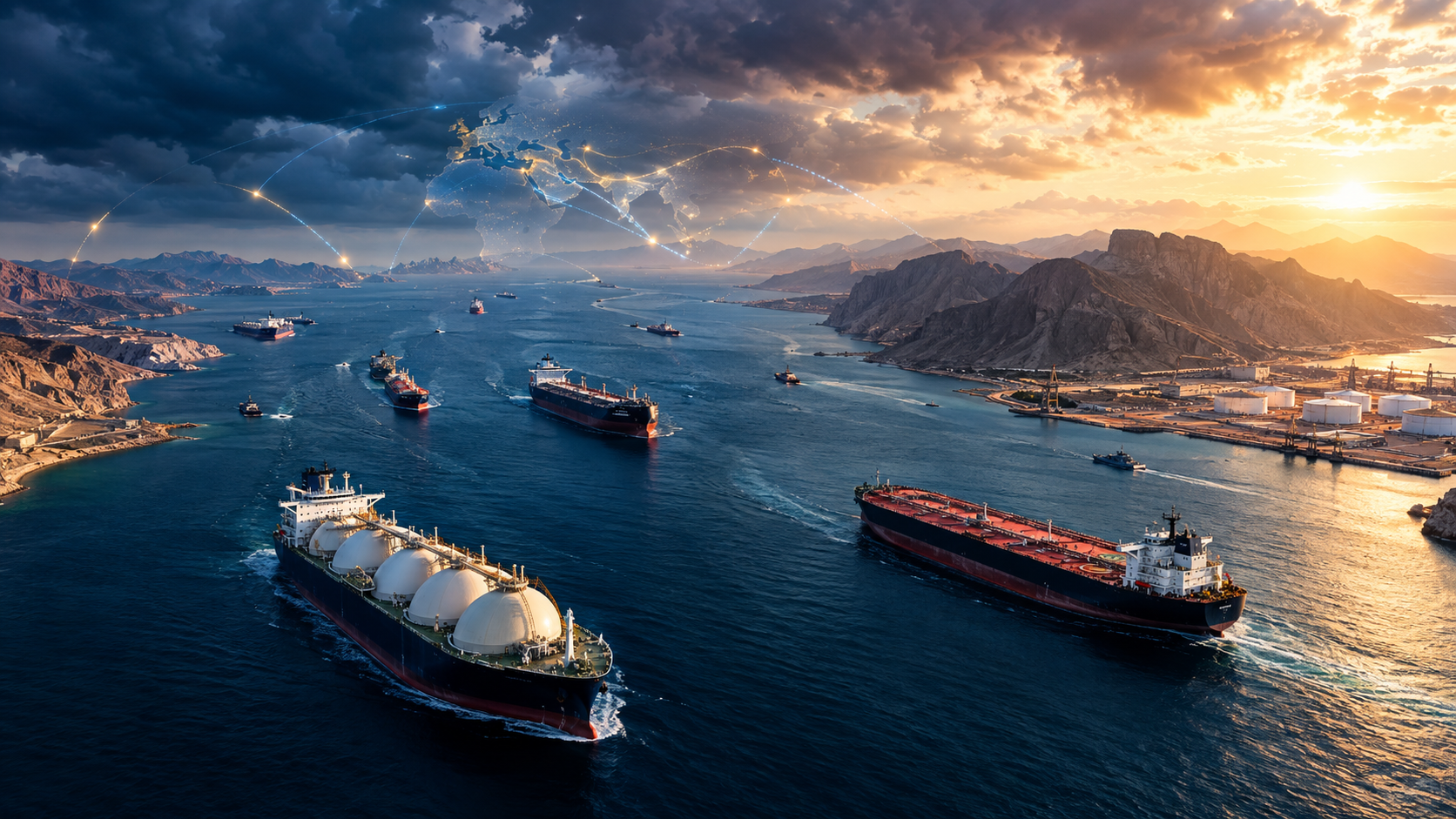 Europe’s energy market is facing a fresh shock as escalating U.S.–Iran military tensions push natural gas prices to their highest levels in more than three years, raising concerns about the cost of heating, electricity and industrial production across the continent.
The European benchmark Dutch TTF gas contract briefly climbed above €80 per megawatt hour on September 9, reaching levels not seen since early 2023. The surge comes as the conflict around the Strait of Hormuz threatens the movement of liquefied natural gas (LNG) and other energy supplies from the Middle East.
The Strait of Hormuz is particularly important for global energy markets. Before the current disruption, the waterway carried a significant share of global LNG trade. With military attacks and shipping restrictions intensifying, traders are increasingly pricing in the possibility that LNG supplies from the Gulf could remain constrained for longer.
The situation is especially sensitive for Europe because the continent has become increasingly dependent on globally traded LNG after sharply reducing its reliance on Russian pipeline gas following the war in Ukraine.
European gas storage is also lower than it was at the same point last year. Data cited by market sources showed European storage around 67% full, compared with nearly 80% a year earlier. While this does not mean Europe is facing an immediate gas shortage, lower inventories leave less room for supply disruptions as winter approaches.
The pressure is not limited to gas.
Oil prices also moved above $100 a barrel, reflecting the broader disruption across Middle Eastern energy routes. Iran said it attacked 10 ships near the Strait of Hormuz after the United States destroyed five Iranian oil tankers. At least one seafarer was reported killed and another missing, according to reports.
The growing risk is that prolonged disruption could force European buyers to compete more aggressively with Asian markets for available LNG cargoes. That could push prices higher and increase the cost of energy for households, utilities and energy-intensive industries.
The International Energy Agency has already called for governments to consider stronger emergency gas mechanisms, including strategic reserves, flexible contracts and greater international cooperation. The agency argues that Europe’s increasing dependence on the global LNG market means simply having import terminals does not guarantee that sufficient gas will be available during a crisis.
There is also a wider inflation concern. Higher gas and oil prices can feed directly into electricity generation, transportation, manufacturing and consumer prices. European policymakers therefore face a difficult balance between securing energy supplies and preventing another wave of inflation.
The immediate question is whether the Middle East conflict remains a temporary disruption or develops into a prolonged energy crisis.
If shipping through the Strait of Hormuz remains restricted and Middle Eastern LNG exports recover only gradually, European gas prices could face further upward pressure as winter demand approaches. Goldman Sachs analysts have warned that December European gas prices could potentially rise above €100/MWh in a severe supply scenario.
For Europe, the latest price surge is more than a market reaction. It is a warning that a conflict thousands of kilometres away can rapidly become an energy and economic problem at home.


