

HORMUZ SHIPPING NEARLY STOPS — WHAT HAPPENS TO OIL NOW?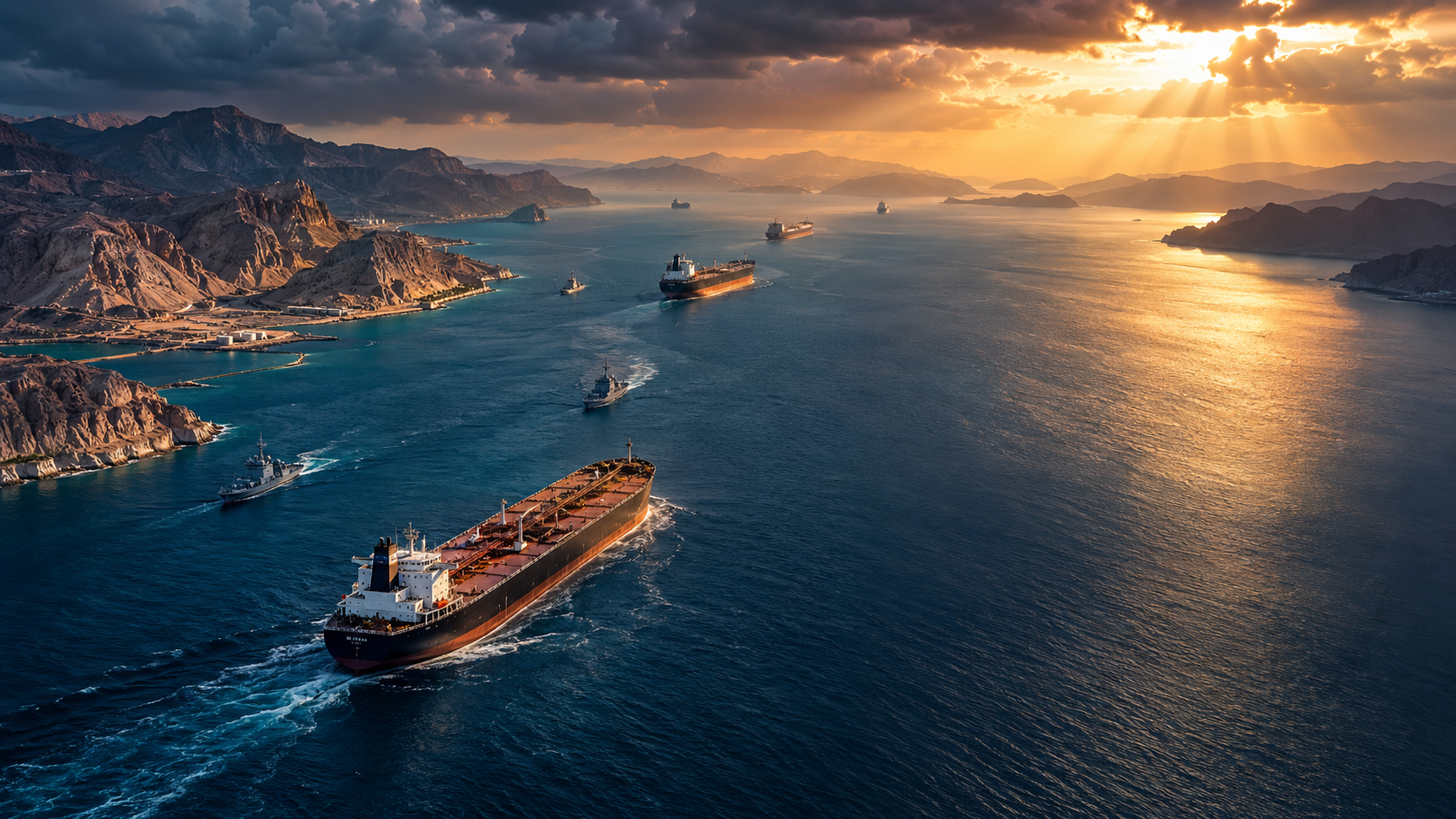 The Strait of Hormuz is once again becoming the center of global energy-market anxiety after shipping traffic through the strategic waterway slowed sharply following a series of tanker attacks.
Shipping data reviewed by Reuters showed that just five commodity vessels transited the Strait of Hormuz on Saturday, while no vessels were recorded crossing on Sunday. That compares with 31 commodity-vessel transits during the previous weekend, highlighting how dramatically maritime traffic has slowed.
The development comes after attacks on vessels operating near the waterway. The United Arab Emirates said three vessels operated by Abu Dhabi National Oil Company were attacked while in transit last week, while maritime authorities have reported additional incidents around the strategic shipping route.
For global energy markets, the concern is straightforward: how long can oil keep moving if shipping through Hormuz continues to fall?
The Strait is one of the world’s most important energy chokepoints, connecting the Persian Gulf with the Gulf of Oman and the wider global shipping network. Any prolonged disruption can increase transportation costs, insurance premiums and delivery risks while putting upward pressure on oil prices.
Brent crude has already remained elevated, trading around $102 per barrel in Monday’s market session, while U.S. crude was around $91 per barrel.
Yet the current situation is more complicated than simply saying oil supplies have stopped.
Middle Eastern crude exports actually rose above pre-war levels on several days during the final week of September. Kpler data showed exports reaching between 19.5 million and 22.5 million barrels per day on September 24 and September 27–29. The seven-day moving average was approximately 18.5 million barrels per day on October 1.
That means the immediate problem is not necessarily a complete disappearance of oil from the region. Instead, the growing risk is whether producers can continue transporting those barrels safely and consistently.
G7 countries have also agreed to release 100 million barrels of crude oil and fuel from emergency reserves as part of an effort to cushion potential supply disruptions.
But emergency reserves can only provide a buffer. They do not eliminate the underlying shipping risk.
For oil-importing economies across Asia and elsewhere, prolonged disruption could translate into higher fuel costs, transportation expenses and inflationary pressure. Japan is particularly exposed because it imports almost all of its crude oil, much of it historically sourced from the Middle East. The Bank of Japan has already identified energy-price pressures connected to the conflict as a factor affecting inflation.
The biggest question now is whether the latest shipping slowdown becomes temporary or develops into a sustained disruption.
If vessels return to the waterway, markets could stabilize. But if attacks continue and shipowners increasingly avoid the route, the world could face a more expensive and complicated energy-supply chain.
Hormuz may not be officially closed — but the dramatic fall in shipping traffic is sending a powerful warning to global oil markets.


