

El Niño Alert: How Changing Weather Patterns Could Affect Health and Economies
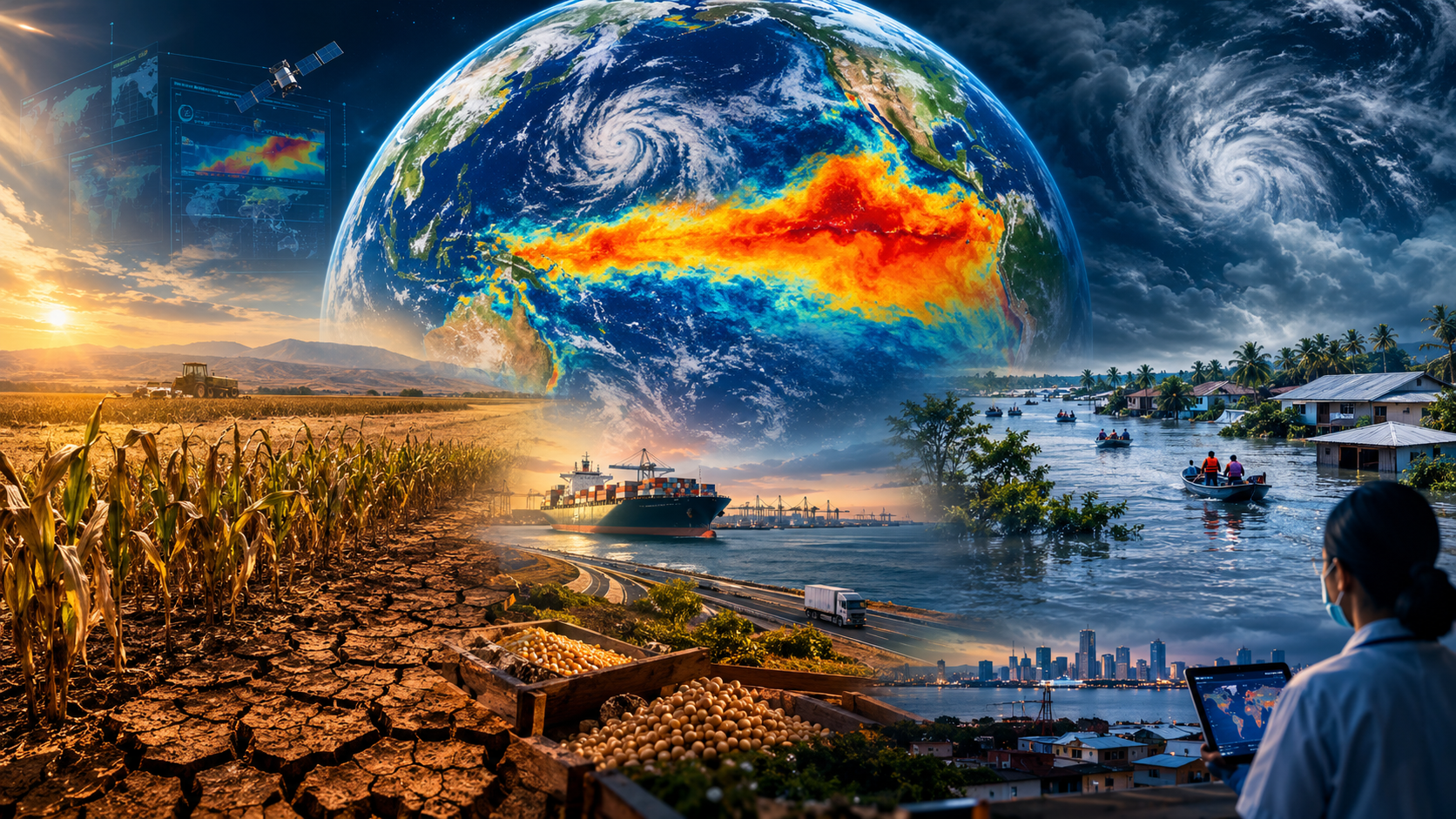 A strengthening El Niño weather pattern is raising concerns about global food security, public health, water availability and economic stability. Weather and climate authorities have warned that the developing climate event could intensify extreme weather risks across several regions, making early preparation increasingly important for governments, businesses and communities.
The World Meteorological Organization (WMO) has reported a rapid development toward a strong El Niño event during 2026. In an earlier September assessment, the organization indicated that the event could persist into early 2027, although the intensity and regional effects remain subject to updated forecasts. The WMO has emphasized the importance of early warning systems and preparedness as climate-related risks increase.
A Climate Pattern With Global Consequences
El Niño is a naturally occurring climate phenomenon associated with unusually warm sea-surface temperatures in the central and eastern tropical Pacific Ocean. It influences atmospheric circulation and can change rainfall and temperature patterns far beyond the Pacific region.
The effects are not identical everywhere. Some locations may experience drought, heat and wildfire conditions, while others could face heavier rainfall, flooding or disruptions to normal seasonal patterns. The precise outcome depends on geography, local weather systems and the interaction between El Niño and long-term climate change.
Recent reporting has highlighted concerns across Southeast Asia, where prolonged dry conditions have affected water supplies, agriculture and wildfire risks. Indonesia, for example, has been preparing for a delayed rainy season, creating challenges for farmers and industries dependent on predictable rainfall.
Rising Health and Food-Security Concerns
Changes in temperature, rainfall and water availability can create additional public-health pressures. The World Health Organization has warned that El Niño can act as a risk multiplier, potentially increasing exposure to heat-related illness, unsafe water, food insecurity and some infectious diseases.
Flooding can contaminate drinking-water supplies, while drought can reduce agricultural production and increase pressure on food prices. Warmer and wetter conditions in particular areas may also influence the spread of mosquito-borne diseases, including dengue and malaria. These risks vary by region and depend on local public-health systems and environmental conditions.
Food production is another major concern. Drought can affect crops such as rice, sugarcane and palm oil, while extreme rainfall may damage farmland and interrupt harvesting and transport. Reduced production in major exporting countries could create consequences for international supply chains and commodity markets.
Economic Impact and Business Preparedness
El Niño-related disruptions can extend beyond farms and communities. Businesses may face higher costs for food, transportation, insurance, water management and disaster recovery. Manufacturing operations and logistics networks can also be affected when extreme weather damages roads, ports, electricity infrastructure or industrial facilities.
For companies, preparedness can include reviewing supply-chain dependencies, strengthening emergency plans, monitoring regional forecasts and developing alternative sourcing arrangements. Governments and financial institutions may also need to consider support for vulnerable communities and climate-sensitive sectors.
Early Action Remains Essential
El Niño does not produce the same conditions in every country, and forecasts should not be interpreted as certainty about a specific disaster. However, the potential effects demonstrate why timely climate information and coordinated planning matter.
Stronger early-warning systems, public-health surveillance, water conservation, agricultural planning and international cooperation can help reduce exposure to risks. As the current El Niño develops, the quality of preparation may influence how effectively communities and businesses manage the challenges ahead.
The wider message is clear: understanding climate patterns is not only an environmental priority. It is also a public-health, food-security and economic-resilience issue with international consequences.


