

Extreme Weather Intensifies Worldwide as Heatwaves, Wildfires and Heavy Rainfall Challenge Communities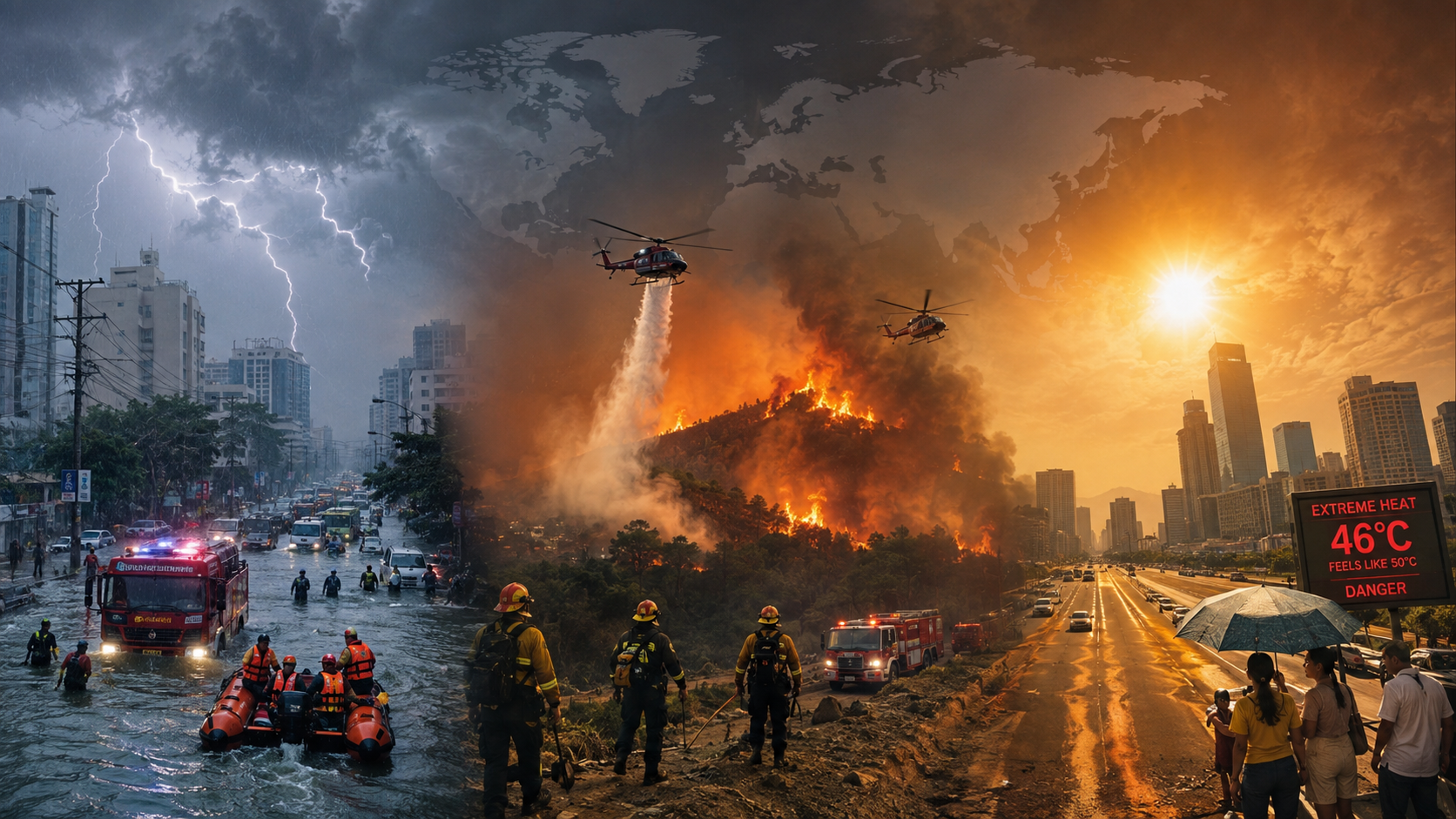 Extreme weather events are continuing to affect communities across multiple continents, bringing a combination of intense heatwaves, destructive wildfires, and heavy rainfall. Governments and emergency agencies are responding to rapidly changing conditions as millions of people face weather-related disruptions. Scientists also warn that strengthening El Niño conditions, combined with the long-term influence of climate change, could contribute to exceptionally warm global temperatures during 2026.
Across several regions, prolonged periods of high temperatures have increased the risk of heat-related illnesses and placed additional pressure on power grids and water resources. Authorities have advised residents to stay hydrated, avoid prolonged outdoor activity during peak daytime hours, and follow official public health guidance. Cities experiencing persistent heat have also expanded cooling centers and emergency services to support vulnerable populations.
Meanwhile, wildfire activity continues in areas experiencing dry vegetation and prolonged hot weather. Firefighters are working to contain active blazes while protecting nearby homes, infrastructure, and natural ecosystems. Aircraft, helicopters, and ground crews have been deployed in affected regions, with emergency officials urging residents to follow evacuation orders where necessary. Smoke from large wildfires has also affected air quality in nearby communities, prompting health advisories for sensitive groups.
At the same time, heavy rainfall has led to flooding in several parts of the world, disrupting transportation, damaging homes, and affecting agricultural areas. Rescue teams have assisted stranded residents in flood-prone communities, while authorities continue to monitor rivers and reservoirs for rising water levels. Temporary shelters have been established in some areas to support displaced families and provide essential supplies.
Meteorologists point to the interaction between natural climate patterns and long-term warming trends when assessing current weather conditions. El Niño, a recurring climate pattern associated with warmer-than-average sea surface temperatures in parts of the Pacific Ocean, can influence weather around the globe. Depending on the region, it may contribute to heavier rainfall, drought, or above-average temperatures. Scientists emphasize that weather events arise from many interacting factors, but they also note that a warmer climate can increase the likelihood and intensity of some extremes.
The growing frequency of severe weather has renewed discussions about climate resilience and disaster preparedness. Governments are investing in improved forecasting systems, early warning technologies, flood defenses, wildfire prevention measures, and emergency response planning. International cooperation also plays an important role, with weather agencies and humanitarian organizations sharing information to help communities prepare for changing conditions.
Beyond the immediate humanitarian impact, extreme weather can affect transportation, agriculture, tourism, and local economies. Damage to infrastructure and disruptions to supply chains may require significant recovery efforts. Experts stress that preparedness, resilient infrastructure, and timely communication are essential for reducing future risks.
As weather patterns continue to evolve, officials encourage the public to stay informed through trusted meteorological agencies and emergency services. While the challenges vary by region, the shared goal remains protecting lives, supporting affected communities, and improving resilience in the face of increasingly complex weather conditions.


