

Middle East Geopolitical Tensions Continue to Shape Global Markets and Energy Security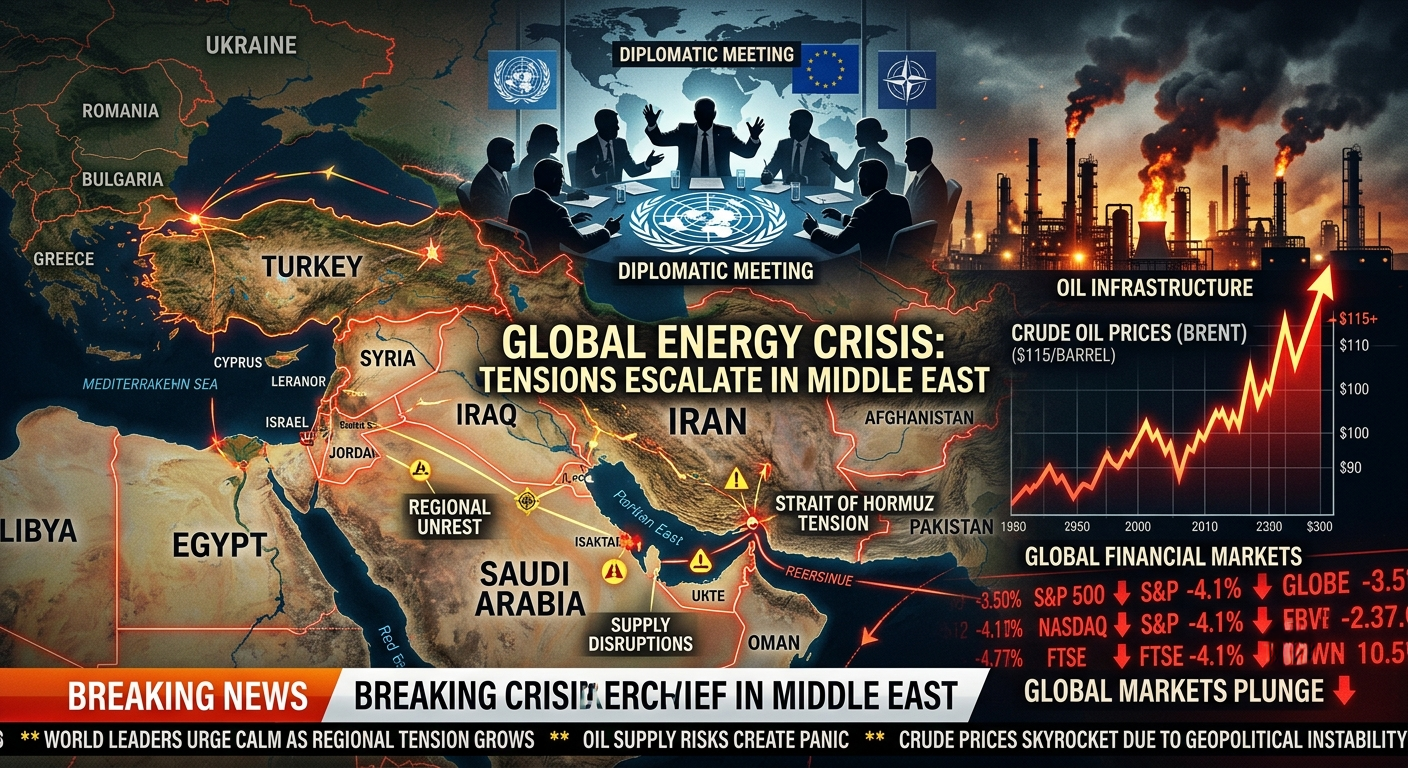 Geopolitical developments in the Middle East continue to dominate international headlines as tensions involving Iran, the United States, and regional allies remain closely watched by governments, investors, and global energy markets. While diplomatic efforts and regional security discussions continue, the evolving situation has once again highlighted the interconnected relationship between geopolitics, global trade, and economic stability.
The Middle East remains one of the world’s most strategically significant regions due to its influence on international energy supplies and global commerce. Even relatively small geopolitical developments can significantly impact financial markets and investor sentiment worldwide. As policymakers assess recent events, energy markets have responded with increased volatility, particularly within the oil sector.
Oil prices are often highly sensitive to geopolitical uncertainty. Concerns surrounding regional stability can influence market expectations regarding production, transportation routes, and future supply conditions. Investors and analysts closely monitor developments in the region because disruptions—whether actual or anticipated—can affect both short-term pricing movements and long-term economic forecasts.
The recent geopolitical climate has prompted financial institutions and energy analysts to closely evaluate global supply chains and international trade patterns. Countries that rely heavily on imported energy resources may experience economic pressures when market volatility persists, affecting industries ranging from transportation and manufacturing to consumer goods and international logistics.
Beyond economic considerations, diplomatic engagement remains central to efforts aimed at maintaining regional stability. Governments continue to pursue dialogue through international organizations and bilateral discussions to reduce tensions and promote peaceful cooperation. Diplomatic initiatives play a critical role in addressing security concerns while minimizing broader global economic consequences.
Global financial markets have demonstrated their sensitivity to geopolitical developments throughout history. Rising uncertainty often contributes to fluctuations across commodity markets, foreign exchange rates, and investment trends. Energy-related industries, in particular, frequently experience immediate reactions as traders and institutions reassess market conditions in response to breaking developments.
International organizations have repeatedly emphasized the importance of maintaining secure and resilient global energy systems. Diversification of energy sources, strategic reserves, and strengthened international cooperation remain essential components of broader economic security strategies. Policymakers worldwide continue to explore approaches that can help mitigate risks associated with geopolitical instability.
Consumers may also experience indirect effects resulting from prolonged market volatility. Changes in global oil prices can influence transportation costs, inflation rates, and broader economic conditions across multiple industries. Consequently, developments occurring thousands of miles away can have meaningful implications for businesses and households around the world.
Economic experts note that maintaining stable diplomatic relationships remains one of the most effective approaches to preserving international market confidence. Constructive dialogue and coordinated international responses can help minimize uncertainty while supporting long-term regional and global stability.
As geopolitical developments continue to unfold, governments, financial institutions, and international organizations remain focused on balancing diplomatic priorities with economic considerations. The Middle East’s strategic importance ensures that events within the region will continue to shape conversations surrounding global security, energy policy, and economic resilience.
The ongoing situation serves as a reminder that geopolitical events extend far beyond national borders. In an increasingly interconnected world, developments affecting regional stability can influence global markets within moments, reinforcing the importance of international cooperation, responsible diplomacy, and proactive economic planning.


