

Red Sea Shipping Faces Renewed Risk as Houthi Attacks Escalate
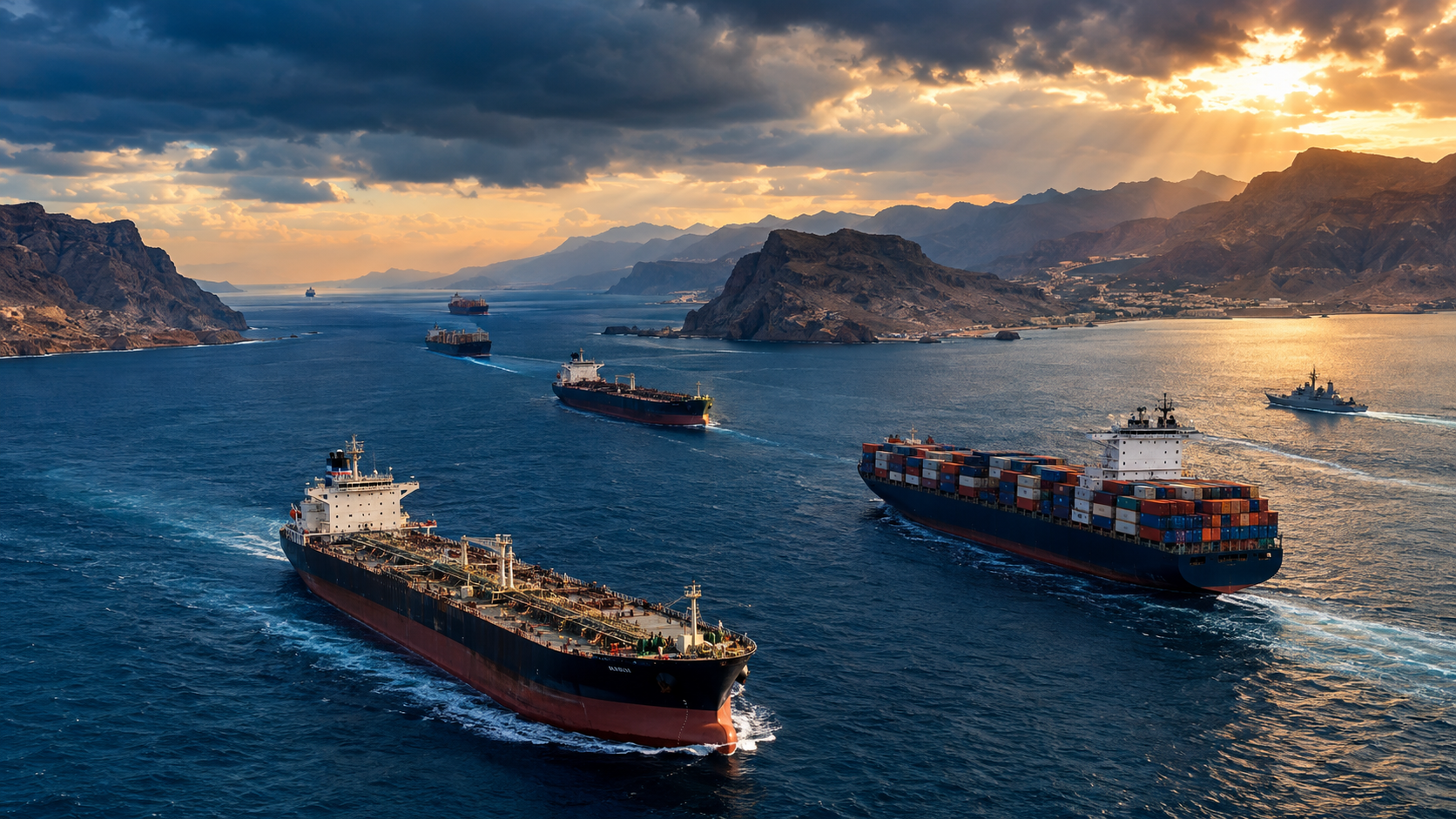 Global shipping and energy markets are facing fresh uncertainty as Yemen’s Houthi movement intensifies attacks on Saudi targets and expands its presence along the Red Sea coast. The developments have raised concerns about the security of commercial vessels moving through the strategically important Bab el-Mandeb Strait, a maritime gateway connecting the Red Sea with the Gulf of Aden and the wider Indian Ocean.
The renewed escalation comes as the Middle East is already experiencing major disruption around the Strait of Hormuz. With shipping activity through Hormuz severely affected, the Red Sea has become even more important for the movement of oil, fuel, consumer goods and industrial supplies.
Bab el-Mandeb Becomes a Growing Security Concern
According to Reuters reports, Houthi forces have advanced along parts of Yemen’s western coastline and reached strategically important areas near the Bab el-Mandeb Strait. Yemeni government sources said the group had captured the port city of Mocha and moved toward nearby islands, increasing its potential leverage over one of the world’s most important maritime routes.
The Bab el-Mandeb is a narrow passage through which vessels travel between the Red Sea and the Gulf of Aden. Any prolonged threat to the route could force ships to take longer journeys around the Cape of Good Hope, increasing fuel consumption, delivery times and operating costs.
Shipping companies may also face higher insurance premiums as insurers assess the risk of missile attacks, drone strikes, sea mines and other forms of maritime disruption.
Attacks Raise Pressure on Saudi Energy Infrastructure
The latest Houthi attacks have also affected Saudi Arabia’s security environment. Reuters reported that Houthi forces claimed to have launched missiles and drones at a military airbase in Khamis Mushait. Saudi authorities issued emergency alerts, while the Saudi-led coalition said 13 civilians were wounded.
The attacks are taking place alongside wider disruption to Saudi energy infrastructure. Saudi Arabia’s East-West pipeline, which normally allows oil to move from the Gulf to the Red Sea while bypassing the Strait of Hormuz, was shut down after an aerial attack. The pipeline is approximately 1,200 kilometres long and has become particularly important during the current regional crisis.
Reuters reported that a prolonged shutdown could threaten as much as 4% of global oil supply if other export routes remain restricted. Oil prices subsequently moved higher, with Brent crude settling at approximately $108.75 per barrel on September 15.
Global Trade Faces Additional Pressure
The Red Sea shipping threat extends beyond oil. The route is important for container shipping, food supplies, manufactured products and components used by businesses worldwide. Delays could affect delivery schedules and raise costs for retailers, manufacturers and consumers.
A prolonged crisis could also place additional pressure on developing economies that depend heavily on imported fuel and food. Higher transport costs may feed into inflation, while companies could be forced to hold larger inventories or use more expensive alternative routes.
The United Nations refugee agency has also warned of a worsening humanitarian situation in Yemen, with more than 100,000 people reportedly displaced by renewed conflict. Insecurity, damaged infrastructure and restrictions on movement are complicating humanitarian assistance.
What Happens Next?
The outlook remains uncertain. Saudi Arabia and its allies face pressure to protect energy infrastructure and shipping routes, while the Houthis have threatened further attacks. Gulf governments have also postponed planned talks with Iran, increasing concern that the conflict could spread across additional fronts.
For shipping companies and global markets, the key issue is whether the Red Sea remains a limited security risk or becomes another sustained disruption to international trade. Any further attacks near the Bab el-Mandeb Strait could increase pressure on oil prices, shipping insurance and already fragile supply chains.
For now, businesses are watching the region closely, while governments and maritime authorities assess how to protect one of the world’s most important commercial waterways.


