

Severe Weather and Flood Alerts Across Asia as Heavy Rainfall Impacts India and Neighboring Regions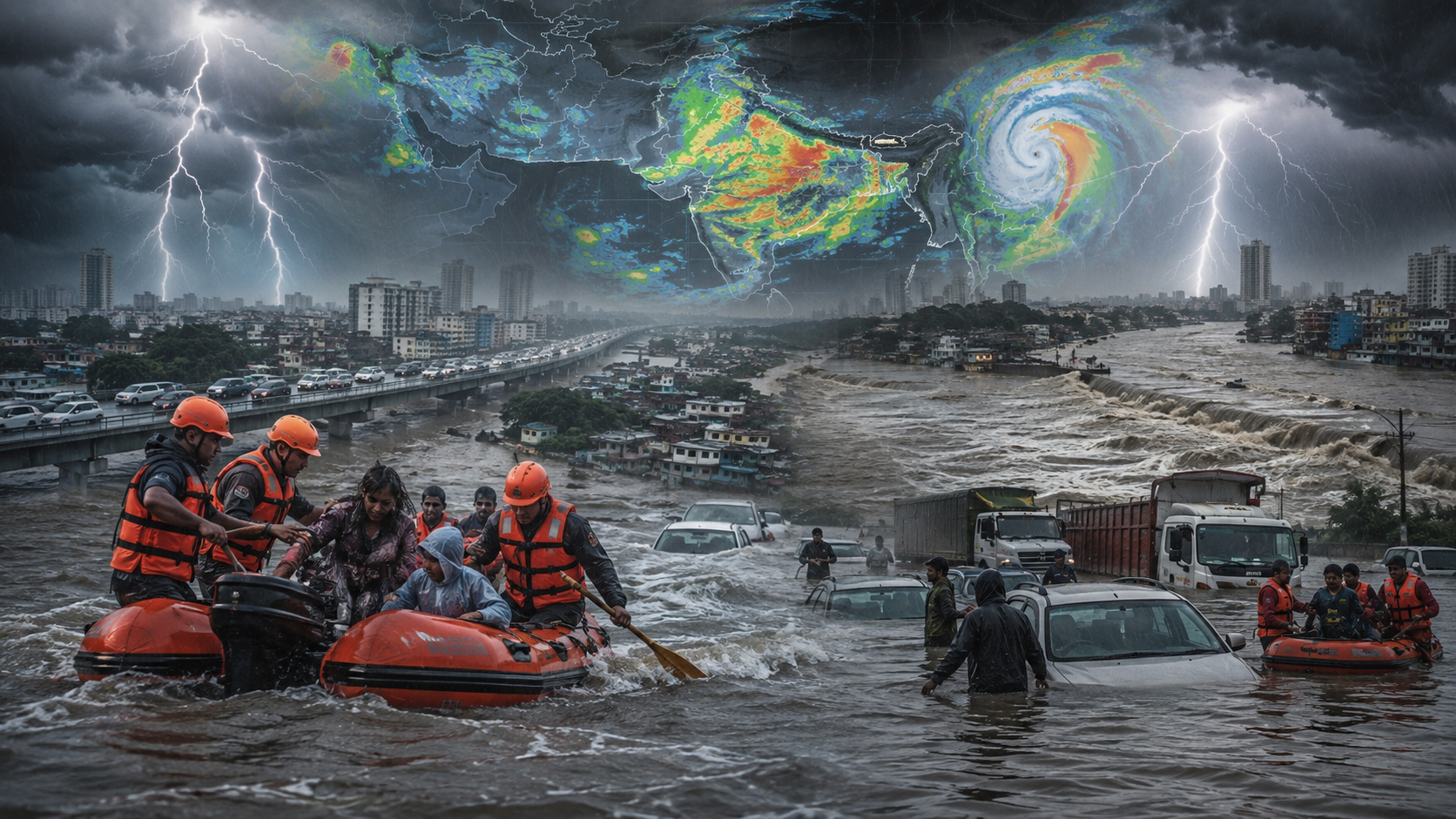 Several parts of Asia are experiencing a period of severe weather as heavy rainfall, thunderstorms, and flood threats continue to affect communities across the region. Meteorological agencies have issued multiple alerts, warning of possible flash flooding, travel disruptions, and localized evacuations as persistent monsoon activity increases the risk of hazardous conditions.
In India, widespread rainfall has affected numerous states, with some areas receiving intense downpours over a short period. Waterlogged roads, overflowing drainage systems, and rising river levels have disrupted transportation and daily life in several locations. Authorities are closely monitoring conditions and advising residents to remain alert, particularly in flood-prone and low-lying areas.
Neighboring countries are also experiencing unstable weather patterns, with thunderstorms and periods of heavy rain affecting communities across South Asia. Emergency management agencies are coordinating with local authorities to monitor river systems, issue timely warnings, and prepare response teams where flooding risks are elevated.
Weather experts explain that the monsoon season naturally brings periods of intense rainfall across the region, but localized conditions such as saturated ground, urban drainage limitations, and rapidly rising rivers can increase the likelihood of flash flooding. Officials continue to encourage residents to pay attention to official forecasts and emergency advisories as weather conditions may change quickly.
Transportation networks have been affected in several locations, with temporary road closures, delays to rail services, and disruptions to air travel reported where severe weather has reduced visibility or flooded infrastructure. Motorists have been advised to avoid driving through flooded roads, while travelers are encouraged to check the latest updates before beginning their journeys.
Emergency responders have been deployed to vulnerable communities to assist with evacuations where necessary and to support residents affected by flooding. Rescue boats, emergency shelters, and relief supplies have been positioned in areas considered at higher risk. Local governments continue working with disaster management agencies to minimize the impact on communities and restore essential services as conditions improve.
Agricultural regions are also closely monitoring rainfall levels. While seasonal rain is essential for crops, excessive precipitation over a short period can damage farmland, affect harvests, and increase the risk of soil erosion. Farmers are being encouraged to follow local agricultural advisories and take precautionary measures where possible.
Meteorologists continue to monitor the development of weather systems across the region using satellite observations, radar networks, and forecasting models. Early warning systems play a vital role in providing communities with advance notice, allowing authorities to coordinate emergency responses and helping residents prepare for potential flooding.
Officials stress that public safety remains the highest priority. Residents living near rivers, hillsides, or flood-prone locations are advised to stay informed through official weather bulletins, avoid crossing flooded areas, and follow evacuation instructions if issued by local authorities. Preparedness measures, including emergency kits and communication plans, can help reduce risks during periods of severe weather.
As the monsoon season continues, governments and emergency agencies remain vigilant in monitoring evolving conditions. While weather patterns vary from region to region, coordinated forecasting, timely warnings, and community preparedness remain essential in reducing the impact of heavy rainfall and flooding across Asia.


