

Iran–U.S. Tensions Keep Strait of Hormuz at the Center of a Global Energy Crisis
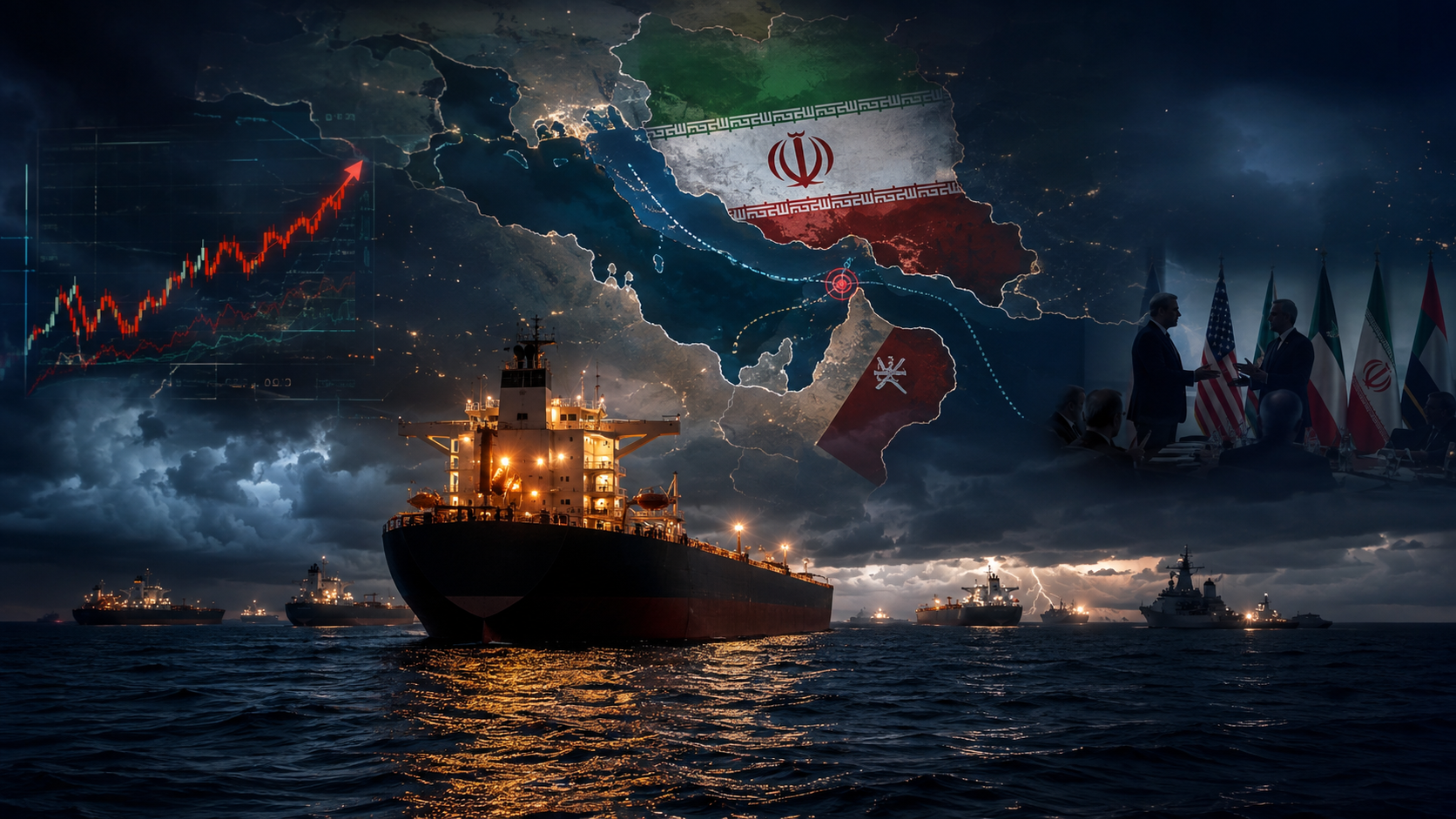 The Strait of Hormuz crisis is becoming one of the most closely watched geopolitical stories in the world as Iran and the United States remain at odds over the future of the strategically important waterway. Negotiations involving Oman have raised hopes of a possible resolution, but Iran continues to link the reopening of the strait to conditions involving Washington.
The uncertainty is creating consequences far beyond the Middle East. The Strait of Hormuz is one of the world’s most important maritime energy routes, connecting the Persian Gulf with the Gulf of Oman and the Arabian Sea. Any prolonged disruption can affect oil shipments, tanker movements, insurance costs and global energy markets.
Recent shipping data indicate how significantly traffic has fallen. Lloyd’s List Intelligence reported 78 transits between August 3 and 9, compared with 95 the previous week, while dozens of merchant vessels have been redirected.
Iran has maintained that the waterway will not fully reopen until its demands are addressed. Iranian officials have also rejected claims that the United States has established control over the strait, highlighting the continuing disagreement between Tehran and Washington.
For global energy markets, the stakes are enormous. The International Energy Agency has warned that disruptions linked to the conflict could result in a 4.3 million-barrel-per-day decline in global oil supply during 2026, with the agency forecasting a supply deficit against demand.
Oil prices have responded to the uncertainty. Markets are closely watching developments around the strait because prolonged restrictions could tighten supplies and increase costs for consumers and businesses. Recent reports have described oil prices moving higher as hopes for a quick reopening weakened.
The shipping industry is also under pressure. Tanker operators face difficult decisions over whether to enter the region, wait offshore or seek alternative routes. Higher security risks and insurance premiums can add substantially to the cost of transporting energy and other goods.
The consequences could eventually reach households far from the Persian Gulf. Higher crude prices can increase costs across transportation, aviation, manufacturing and logistics. If elevated energy prices persist, businesses may face higher operating expenses, potentially adding pressure to consumer prices.
Diplomacy remains the key to reducing those risks. Oman has played an important role in discussions surrounding the waterway, while other regional and international governments are watching for signs of progress between Iran and the United States.
However, recent developments suggest that a quick solution remains uncertain. Reports indicate that competing demands have complicated negotiations, while attacks and heightened maritime tensions have further reduced confidence in an immediate return to normal shipping.
The crisis is therefore about much more than one narrow stretch of water. The Strait of Hormuz is deeply connected to the global energy system, making developments there capable of influencing oil prices, shipping costs, inflation and financial markets around the world.
As negotiations continue, governments, energy companies, shipping operators and investors will be watching closely for any indication that the waterway can safely return to normal commercial traffic. Until then, the Strait of Hormuz remains one of the world’s most important geopolitical and economic pressure points.


