

Nepal–Tibet Himalayan Flood Disaster Leaves a Trail of Destruction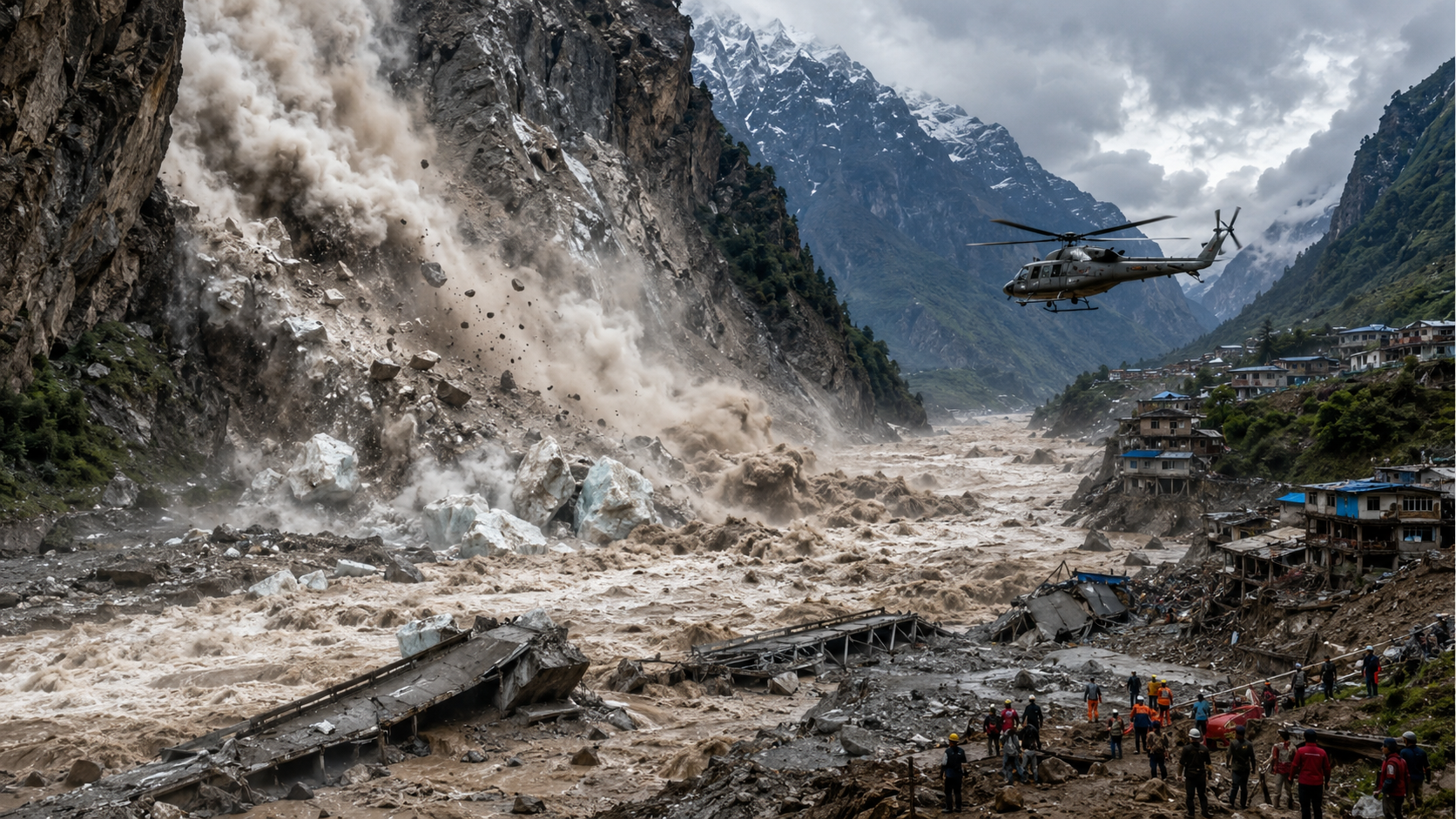 A devastating flash-flood disaster has struck the Himalayan region along the Nepal–China border, leaving hundreds dead and hundreds more missing after a massive collapse involving glacier, rock and debris triggered torrents of water through mountain valleys.
The disaster struck on August 26, rapidly transforming rivers and surrounding communities into channels of mud, boulders and debris. Rescue teams are now working through destroyed roads and buildings in an increasingly difficult search for survivors. The latest reports indicate that the death toll has climbed into the hundreds, while many people remain unaccounted for.
What Triggered the Disaster?
Preliminary scientific assessments indicate that a section of glacier and underlying bedrock collapsed in the Himalayas, sending huge quantities of ice, rock and mud into the Lhende Khola river system.
The resulting surge moved rapidly downstream, producing devastating flash floods across parts of Nepal and Tibet.
Satellite imagery has revealed the dramatic scale of the destruction, showing sections of mountainsides transformed by landslides and enormous quantities of debris. River channels have also been dramatically altered by the flood.
Scientists say the event highlights growing concerns about the stability of high-altitude environments as temperatures rise. However, researchers caution that a direct link between climate change and this particular collapse requires further investigation.
Rescue Operations Underway
Rescue teams in Nepal and China are searching through devastated communities for survivors.
Helicopters have been deployed to transport emergency supplies, evacuate people and assist rescue teams operating in areas where roads and bridges have been destroyed.
In Nepal, rescue workers are using heavy machinery to dig through thick layers of mud and debris. But difficult terrain, damaged infrastructure and continuing flood risks are making the operation extremely challenging.
Authorities are also monitoring potentially dangerous debris-dammed lakes and rivers because additional flooding could threaten communities already affected by the disaster.
Foreign Nationals Among the Missing
The disaster has attracted international attention because many people caught in the floods were foreign tourists, trekkers, workers and pilgrims.
The Himalayan region around Mount Kailash is an important pilgrimage destination, and several foreign nationals were traveling in the region when the disaster struck. Reports indicate that missing people include citizens from numerous countries.
The situation has prompted governments to begin contacting families and coordinating information about missing citizens.
Infrastructure Destroyed
The floods have caused extensive damage to communities and critical infrastructure.
Roads, bridges, homes, power installations and border facilities have been swept away or buried beneath mud and rock. The destruction around Gyirong Port has also affected an important cross-border transportation route between Nepal and China.
For communities in remote Himalayan valleys, the loss of roads and bridges creates another emergency: getting food, medicine and rescue equipment into isolated areas.
A Warning From a Warming Himalayas
The disaster is also drawing renewed attention to the risks facing the Hindu Kush Himalaya.
Scientists have warned that warming temperatures can destabilize glaciers, mountain slopes and frozen ground, potentially increasing the risk of avalanches, landslides and sudden glacial floods.
Nepal has already experienced significant glacier loss over recent decades, making monitoring and early-warning systems increasingly important.
For now, the priority remains rescue.
As helicopters search remote valleys and emergency teams clear mountains of debris, families across Nepal, China and other countries are waiting for news about missing loved ones.
The Himalayan disaster is a stark reminder that in high mountain environments, a single collapse can unleash a chain reaction capable of destroying entire communities within minutes.


