
Iran Strikes Back: U.S.–Iran War Explodes Across the Gulf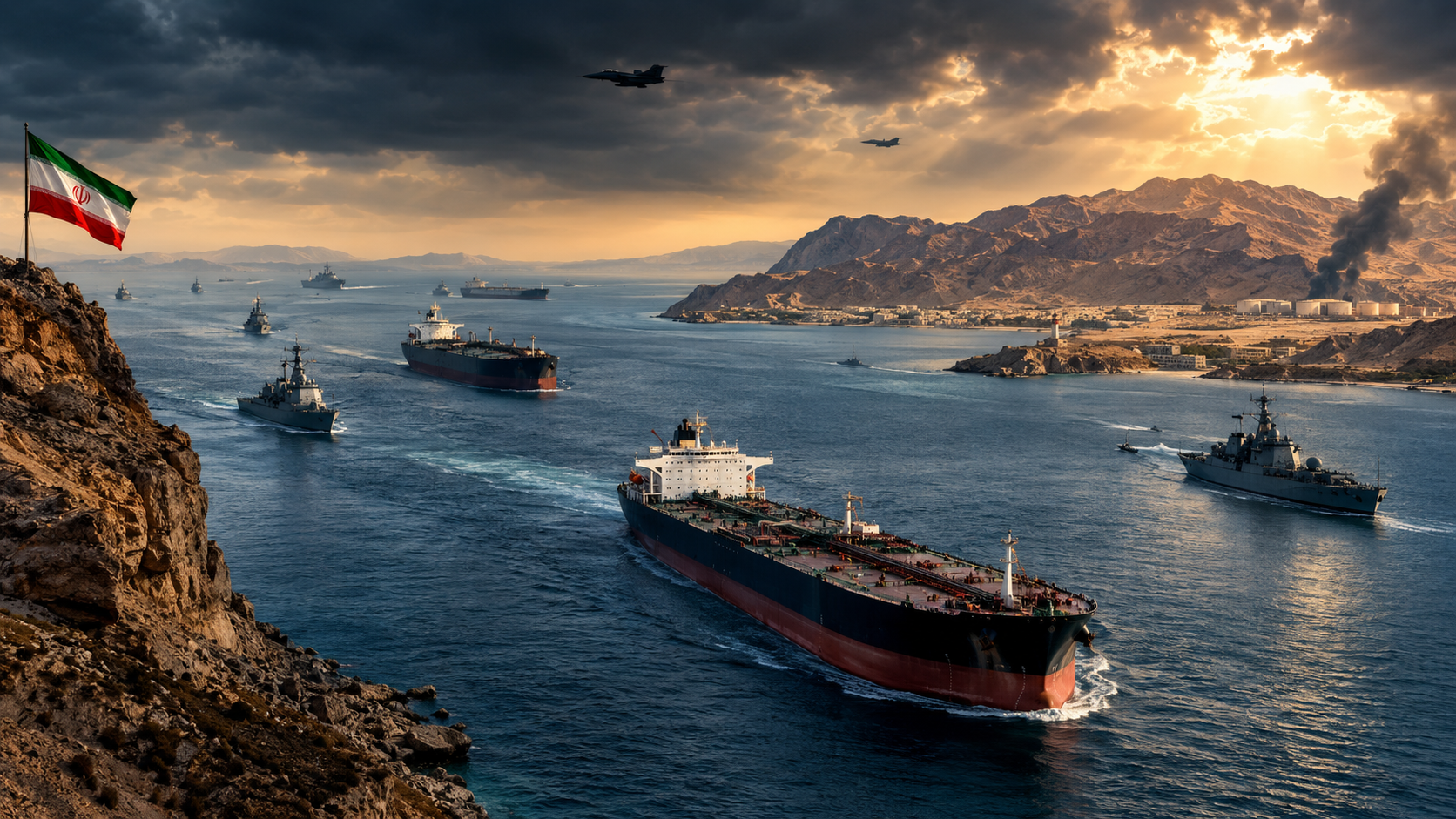 The U.S.–Iran conflict has entered another dangerous phase after Iran launched missile and drone attacks against U.S. allies in the Gulf, following a new wave of American strikes on Iranian military targets.
The escalation has once again placed the Middle East on high alert, with the Strait of Hormuz emerging as one of the most critical flashpoints. The waterway is a major route for global energy shipments, and disruption there could quickly affect oil prices, shipping costs and economies around the world.
Iran’s retaliatory attacks targeted locations connected to U.S. military operations in the region, including sites in Gulf states. The attacks followed American strikes that Washington said targeted Iranian military capabilities near the Strait of Hormuz.
The latest exchange represents a major escalation after a monthlong lull in direct fighting between Washington and Tehran. The renewed violence has raised concerns that the conflict could expand beyond Iran and the United States, drawing additional countries into the confrontation.
Strait of Hormuz Becomes the Critical Flashpoint
The Strait of Hormuz is now at the heart of the crisis.
The narrow waterway connects the Persian Gulf with the Gulf of Oman and is one of the world’s most important maritime energy corridors. Before the current conflict, nearly one-fifth of global oil shipments passed through the route.
But shipping activity has fallen dramatically as military tensions increase. Reuters reported that only four commodity vessels passed through the Strait of Hormuz on Tuesday, compared with a 10-day average of around 13 vessels. Analysts warn that continued disruption could put additional pressure on energy markets.
For governments and businesses, the concern extends far beyond the Middle East. A prolonged shipping disruption could raise transportation costs, increase insurance premiums and push energy prices higher.
Oil Markets Feel the Pressure
The renewed fighting has already affected global oil markets.
Brent crude has climbed sharply as traders assess the possibility of a prolonged disruption to Middle Eastern energy supplies. Higher oil prices could eventually feed into gasoline, transportation, manufacturing and consumer prices around the world.
The Strait’s importance means even the threat of disruption can have a major effect on financial markets.
Washington Signals More Action
U.S. President Donald Trump has indicated that the renewed military campaign against Iran will not necessarily continue for an extended period, while also warning that Washington remains prepared to conduct further strikes if necessary.
The United States says its military action is intended to prevent threats to shipping and target Iranian military infrastructure connected to operations around Hormuz.
Iran, meanwhile, has vowed to respond to what it describes as American aggression.
That leaves the region facing a dangerous cycle: U.S. strikes trigger Iranian retaliation, which could prompt further American military action.
What Happens Next?
The biggest question now is whether the latest confrontation remains limited or develops into a wider regional war.
With military forces positioned across the Gulf, commercial shipping already disrupted and energy markets reacting, even a relatively small new incident could have consequences far beyond the battlefield.
For the global economy, the Strait of Hormuz remains the key pressure point.
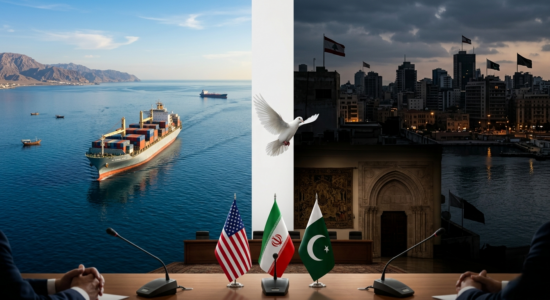
For now, the world is watching to see whether diplomacy can stop another round of escalation — or whether the latest U.S.–Iran confrontation becomes the beginning of a much larger crisis.